Execution Risk in Real Time
Inside the Warner Bidding Battle
By: Kennedy Lewallen
Feb. 15, 2026
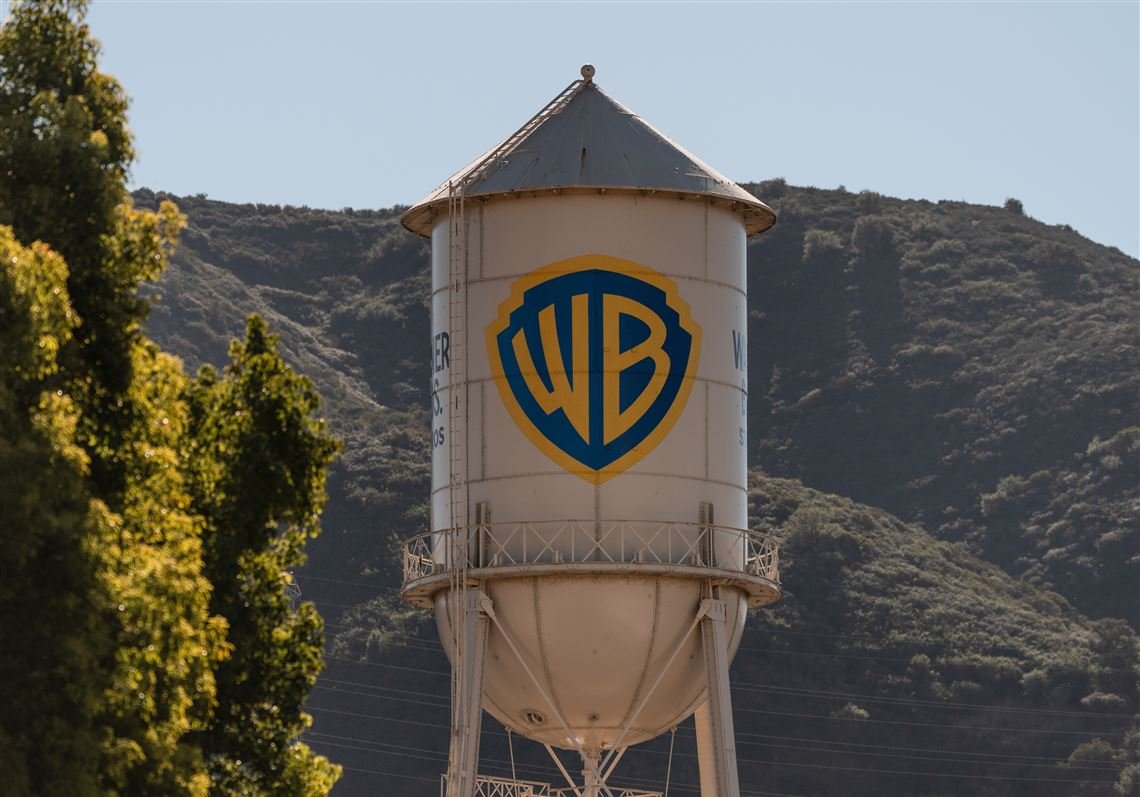
Execution Risk in Real Time: Inside the Warner Bidding Battle
The recent deal between Warner Bros. Discovery and Netflix initially appeared straightforward. Warner’s board had approved Netflix’s proposal at the beginning of 2026, framing it as a strategic move in an industry where scale, distribution power, and content libraries increasingly determine competitive advantage. The financing of the deal appeared secure, the valuation made sense, and the strategic rationale was clean. With that being said, in large-cap M&A, signing the agreement is hardly the finish line. It’s the beginning of execution risk.
Once the diligence period begins, true uncertainty enters the equation. Antitrust scrutiny can stretch timelines, trigger second requests, and delay integration planning. During that waiting period, market conditions evolve, shareholder sentiment shifts, and strategic alternatives can resurface. That period alone between signing and closing is where deals are most vulnerable.
Paramount’s Strategic Countermove
During this diligence period, Paramount Global, backed by Skydance Media and David Ellison, resurfaced with a sweetened alternative proposal. Paramount did not just increase the valuation, but they came to the table with a readjusted structure. Reports indicate Paramount proposed an inclusion of a ticking fee to compensate shareholders for delays as well as coverage of potential break-up fees. The buzz is that Paramount is framing their proposal to Warner as offering greater regulatory clarity and smoother execution. This distinction is important because in large-cap deals, price will get headlines, but certainty wins over the board.
Activist Pressure Adds Complexity
The deal dynamics intensified when activist investor Ancora reportedly took a meaningful $200 million stake in Warner Bros. and publicly challenged the Netflix deal. Ancora is backing Paramount’s competing proposal, arguing that it offers not only stronger economics but greater regulatory certainty. This alone is effectively pushing the board to reassess not only the bids valuation but certainty to close.
Activist involvement can transform negotiation. Boards operate under fiduciary duties to maximize shareholder value, and when investors publicly challenge an approved transaction, directors must reassess risk and optionality. Even a signed agreement can become vulnerable when shareholders contest that another bidder offers superior value or greater certainty. This is a core lesson in execution risk which is that deals do not exist in isolation. They also operate within shareholder politics.
When Diligence Kills Deals
In M&A, there is a reason why bankers say time and diligence kills deals. Regulatory review is not just a procedural step, it affects integration timing, employee retention, financing costs, and overall market perception. A prolonged review introduces uncertainty that can extinguish deal momentum. When Paramount emphasizes regulatory clarity, it reframes the conversation from “Who pays more?” to “Who actually closes?” For Warner’s board, that distinction may outweigh incremental dollars per share. In large transactions, execution probability often carries more weight than headline valuation.
An Attack on Uncertainty
Paramount's strategy seems to be pushing certain buttons: increase economic attractiveness, signal conviction with structural sweeteners, leverage stakeholder sentiment and frame Netflix’s path as more exposed to regulatory friction. This complex deal positioning by Paramount is not a price war but an attack on uncertainty. By offering ticking fees and covering break-up costs, the message is clear: we are confident enough in closing to pay for time. And that right there shifts the negotiating leverage.
The Lesson on Execution Risk
The Warner bidding war is a perfect live case study in execution risk. Deals rarely fall apart because of valuation alone, they stall over regulatory overhang, activist intervention, financing volatility, contractual constraints, and shifting narratives. In politically visible, large-cap transactions, those variables can outweigh incremental price differences and become even more important than the valuation itself. Boards are not just comparing headline bids, they are weighing expected outcomes, balancing valuation against the probability of closing and the cost of delay. As this situation continues to unfold, the central question is no longer who offers the highest number. It shifts to who can credibly deliver certainty. And in M&A, certainty is often the most valuable currency of all.
