Weekly Roundup Jan. 5-9
LABOR REPORT | ALL TIME MARKET HIGHS | FEDERAL RESERVE UNDER INVESTIGATION
By: Lorenzo Alfonso
Jan. 11, 2026
Market Snapshot
S&P500: .45% | Russel 2000: 2.11% | Dow Jones: .24% | Oil (WTI): 9.03% | Gold (GLD): 3.41% | VIX: .60% | 10 yr Treasury Yield: 4.175%
The Economy at a Glance
Last week gave us a good picture to start the year. Stocks rallied, with the S&P 500 increasing 1.57%. We also saw several notable industry moves, with President Trump making an announcement directed at defense and aerospace companies, signaling pressure to prioritize production over shareholder returns. Markets then rebounded after the United States increased military spending, as investors became more optimistic about future spending.
On Friday, delayed labor data was released with the nonfarm payroll report. The labor market added 50,000 jobs in December, which was a sign of slowing momentum. In better news, the unemployment rate ticked down to 4.4% from 4.5%.
Oil moves were driven by a combination of geopolitical headlines, global oversupply, and demand concerns. On Wednesday, the price of crude oil dropped as low as $56 per barrel, before rebounding to around $60 per barrel on Friday.
Precious metals also shined, with gold trading above $4,520 per ounce on Friday. Silver surpassed $80 per ounce for the first time on Tuesday.
Political Environment
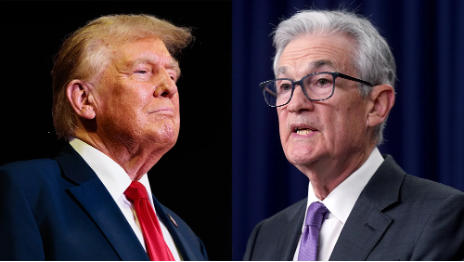
Yesterday morning, Jerome Powell, the Federal Reserve Chair, confirmed that the Department of Justice grand jury issued a subpoena as part of a new criminal investigation focused on Powell’s testimony to Congress regarding the multi-year renovation of the Fed’s headquarters. Powell stated that the investigation represents political pressure tied to his interest-rate policy. This further escalates tensions between the Trump administration and the Federal Reserve Committee.
“I have deep respect for the rule of law and for accountability in our democracy. No one—certainly not the chair of the Federal Reserve—is above the law. But this unprecedented action should be seen in the broader context of the administration’s threats and ongoing pressure”
The committee believes this is a direct attack on its policy decisions and future direction. The Federal Reserve operates as a separate division from the main branches of government to prevent political influence over monetary policy. Lawmakers from both parties, along with former central bank officials, have warned that using the Justice Department to target the Fed chair risks undermining the credibility of both the Fed and the DOJ, potentially damaging confidence in U.S. economic governance if Fed independence is compromised.
In a brief interview with NBC News, Trump denied knowledge of the criminal investigation while repeating his frequent criticism of Powell, specifically pointing to ongoing renovations at the two Fed buildings.
Looking Ahead
A CPI report is scheduled for Tuesday this week. We will see if the economy continues moving in the right direction compared with last month. This upcoming week also includes the release of the federal budget from the United States Department of the Treasury. Additionally, new home sales data will be released by the United States Census Bureau, along with reports on the Producer Price Index, retail sales, and business inventories.
We will take a closer look at these reports and see how the economy reacts.
Have a great last week of break!
Glossary
Nonfarm Payrolls: This is a monthly report that tells us how many jobs were added or lost in the U.S. Think of it like a scorecard for the job market. More jobs = a healthier economy. It excludes farming jobs because those are like seasonal.
Unemployment Rate: This shows the percentage of people who want a job but don’t have one. If this number goes up, it means more people are struggling to find work.
Federal Reserve (The Fed): The Fed is like the economy’s referee. It controls interest rates and tries to keep prices stable while making sure people can find jobs.
Interest Rates: Interest rates are the cost of borrowing money. When rates are high, loans are expensive. When rates are lower, it’s easier to borrow money for things like homes, cars, or businesses.
Share Buybacks: This is when a company buys back its own stock instead of using that money to grow the business. It often helps stock prices but doesn’t always help with production or jobs.
Dividends: Dividends are cash payments companies give to shareholders just for owning the stock—like a reward.
WTI Crude Oil: This is a type of oil used as the main U.S. price benchmark. When you hear oil prices on the news, this is usually what they mean.
Spot Price: The spot price is the price right now. Not yesterday, not next month—what something is selling for at this exact moment.
Precious Metals: These are valuable metals like gold and silver. People often buy them when they are worried about inflation or the economy.
Department of Justice (DOJ): The DOJ is the law-enforcement arm of the U.S. government. They investigate crimes and make sure laws are followed.
Grand Jury Subpoena: This is a legal request for information. It does not mean someone is guilty—it just means investigators want answers.
Federal Reserve Independence: This means the Fed can make decisions without politicians telling them what to do, so interest rates are set based on the economy—not politics.
Consumer Price Index (CPI): This measures how much everyday prices change—things like food, gas, rent, and clothes. If the CPI goes up, inflation will rise.
Producer Price Index (PPI): This tracks price changes before goods reach stores. Think of it as inflation before you see it at the checkout line.
Business Inventories
This shows how much stuff businesses have sitting on shelves. Too much inventory can mean people aren’t buying as much.
