Weekly Roundup Dec. 15-19
NOTABLE ECONOMIC REPORTS | MARKETS REBOUND
By: Lorenzo Alfonso
Dec. 22, 2025
Market Snapshot
S&P500: .45% | Russel 2000: -.06% | Dow Jones: -.55% | Oil (WTI): 3.70% | Gold (GLD): .33% | VIX: -11.14% | 10 yr Treasury Yield: 4.14%
The Economy Glance
Labor Report
Markets fluctuated this week. In the first half of the week, equities slipped, but toward the back half they rebounded. The S&P 500 and Nasdaq finished slightly higher by the end of the week.
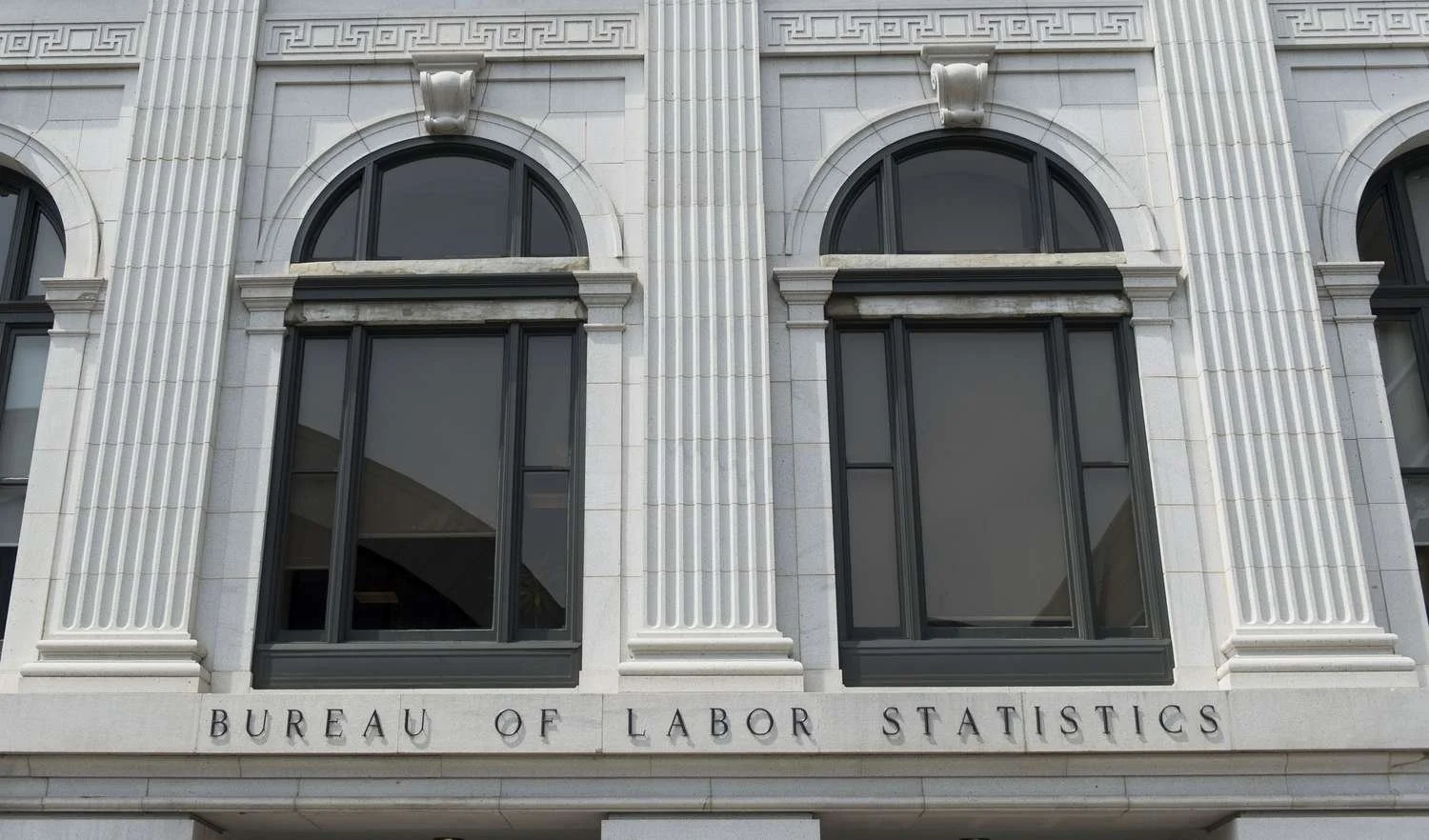
Markets reacted to the release of labor data earlier this week. The Bureau of Labor Statistics, the official provider of employment data, released delayed November data following the government shutdown. The report showed unemployment rising to 4.6%, with roughly 7.8 million people unemployed. This was not a significant move from the prior month, but it did signal continued softening in the labor market.
Equities initially sold off following the release, then rebounded later in the week as investors digested the data and broader economic context.
CPI Report
Later in the week, we received an update on inflation and where prices currently stand. Consumer prices slowed to a 2.7% year-over-year pace, which was lower than expected and viewed as a positive signal. This data point supports market expectations that interest rates could move lower again in 2026, though it does not guarantee further cuts.
Economists caution that the inflation and labor data still contain gaps due to prior reporting delays, and investors should be careful about drawing firm conclusions too quickly. Trade and fiscal policy uncertainty continues to weigh on the economic outlook. Some October data were delayed, limiting clean month-over-month comparisons for November and complicating year-over-year analysis.
Housing, which makes up roughly one-third of the inflation report, may also be affected by these gaps. According to reporting from the Wall Street Journal, analysts believe several more months of data may be needed to fully assess housing-related inflation, though data releases going forward should become more reliable.
Tech Sector Improves
Chip stocks that we have been discussing over the past few weeks closed higher and helped lead to the market rebound. Improved confidence following the CPI report supported the move, along with strength tied to Micron, which benefited from strong earnings momentum.
In other news, TikTok has signed an agreement to sell its U.S. business to a new joint venture controlled by American investors, bringing an end to a years-long regulatory dispute. The deal is expected to close on January 22, 2026, and would allow TikTok to continue operating in the United States. Major investors in the consortium include Oracle, private-equity firm Silver Lake, and Abu Dhabi-based MGX, which together would own about 45% of the new U.S. entity. TikTok’s parent company, ByteDance, is expected to retain roughly a 19.9% stake. The U.S. venture would oversee data protection, algorithm security, content moderation, and software assurance for American users, with recommendation algorithms trained on U.S. data to limit foreign influence.
Looking ahead
Market activity is expected to be lighter with the Christmas holiday approaching. The Q3 GDP report is scheduled for release on Tuesday and could influence expectations around interest-rate policy heading into early 2026. Outside of that, it should be a relatively quiet week. Hope everyone enjoys the holiday.
Glossary
Bureau of Labor Statistics (BLS): The government agency that releases the official jobs report, including payrolls, unemployment rate, and labor force data.
Unemployment rate: The percentage of people in the labor force who are out of work but actively looking for a job.
Unemployed persons: The total number of people without a job who are actively seeking employment; reported alongside the unemployment rate.
Federal Open Market Committee (FOMC): The central bank committee that votes on interest rate changes; the Chair leads the meeting but does not decide alone.
Rate cut: When the central bank lowers its benchmark interest rate to encourage borrowing, spending, and investment.
Basis point: One one-hundredth of a percent (0.01%). A 25 basis point cut equals a 0.25% rate reduction.
Consumer Price Index (CPI): A monthly inflation report that measures how prices are changing for a basket of everyday goods and services.
Year-over-year inflation: Compares prices today to the same month one year ago; commonly used to measure inflation trends.
Housing component (CPI): A major portion of the inflation index that tracks rents and housing costs; changes here tend to show up with a delay.
Equities: Another term for stocks; ownership shares in publicly traded companies.
Tech-heavy NASDAQ: A major U.S. stock index dominated by technology and growth companies.
Gross Domestic Product (GDP): The total value of goods and services produced in the economy; used to measure overall economic growth.
