The Accounting Behind the Olympics
By: Ally Whatley
Feb. 17, 2026
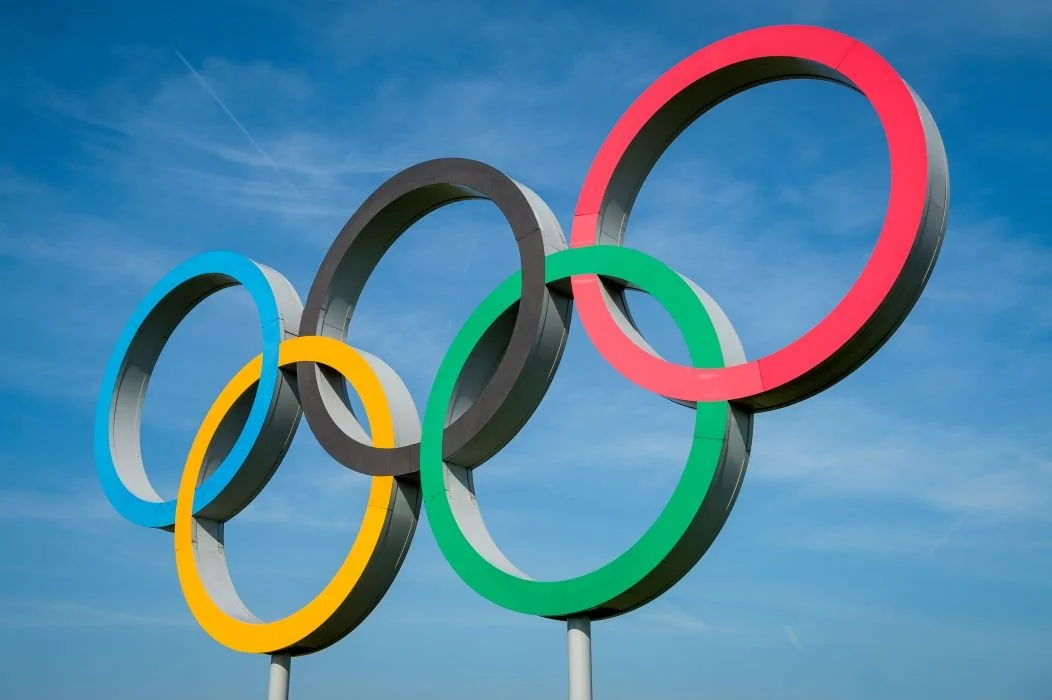
World’s Biggest Sporting Event
Every four years, the Olympics captivate the world as different sporting events are competed against each other with performances, ceremonies, and a sense of pride for different countries. But what people do not see is that behind the scenes lies one of the most complicated financial operations in the world. While the country hosting the Olympics gets athletic pride and recognition, it’s a multibillion-dollar accounting opportunity that cities underestimate, and taxpayers often end up funding for decades.
Two Budgets with Two Realities
Most people think of the Olympics as a single financial undertaking, but almost every host city manages two entirely separate budgets that behave vastly different from one another.
1. The Organizing Committee Budget (OCOG)
This is the operational budget: everything needed to make the games run day to day. It includes:
- Ticketing and ceremonies
- Security and transportation
- Broadcasting operations
- Athlete housing and services
Global and domestic sponsorships, ticket sales, and broadcasting rights typically largely fund this budget. Because these revenues are predictable and strong, the OCOG budget often breaks even. With some years even hitting a surplus.
2. The Non-OCOG (Capital) Budget
This is where the financials get rocky. It includes:
- Stadium construction
- Transit expansions
- Roads, airports, and long-term infrastructure
Differing from the OCOG budget, this budget is funded mostly by public money. And unlike the operational budget, this one almost never stays on track.
Cost Overrun Problem
A landmark Oxford University study found that every single Olympics since 1960 has gone over budget, with average costs overrunning 172%. No other event in the world has such a consistent record of overspending. This occurs due to cities intentionally underestimating costs to win the bid, security costs balloon as the event approaches, construction deadlines, infrastructure being built fast, and political pressure. As a result, the Games will end at some point, then athletes leave, and the host city is left with debt, maintenance costs, and new facilities.
Who Actually Makes Money?
Despite the challenges, several players do make a profit during the Olympics. Mainly, the International Olympic Committee (IOC) is a nonprofit, but it consistently makes large surpluses YoY. This is due to their revenue source of broadcasting rights, but also from global sponsors and licensing deals. NBC alone pays billions for U.S. coverage.
The other players that profit include broadcasters, sponsors, and host cities. Broadcasters use the Olympics to drive advertising revenue and boost streaming subscriptions. Sponsors like Coca-Cola, Visa, and Samsung gain global visibility and long-term branding. Host cities rarely do make profit due to long-term debt they deal with after the games, but if the host city already has strong infrastructure and private financing, it can make a positive return after the games due to publicity.
Accounting Challenges
Despite bringing major publicity to host cities, the Olympics create unusual accounting dilemmas. Some of these challenges include opportunity cost, capitalization vs expense, and depreciation of underused facilities. While the games are a major short-term revenue booster, the money used to fund the Olympics could have been used towards schools, housing, or transit improvements that would have boosted the economy in the long-term. After the games, the cities must decide which costs qualify as long-term assets and which should be expensed immediately. A stadium with no post-games use becomes a standard asset that is expensive to maintain and impossible to justify. Furthermore, many Olympic venues become “white elephants,” generating little revenue but requiring ongoing upkeep.
The Bottom Line
The Olympics are more than a sporting event; they are a massive financial experiment. While viewers watch athletes win gold, accountants and policymakers determine budgets, debt, and long-term economic impact. And as costs continue to rise, it becomes harder to ignore if it makes sense for the Olympics to continuously move cities if it no longer makes financial sense. Many people have voiced publicly that it makes more sense to keep the Olympics in one city that has funding and the infrastructure for numerous years in a row, and who knows they might just be right.
