Sorting the Winners in Transportation
What the rally is pricing in, and how to think about the next phase
By: Jacob Gaer
Feb. 11, 2026
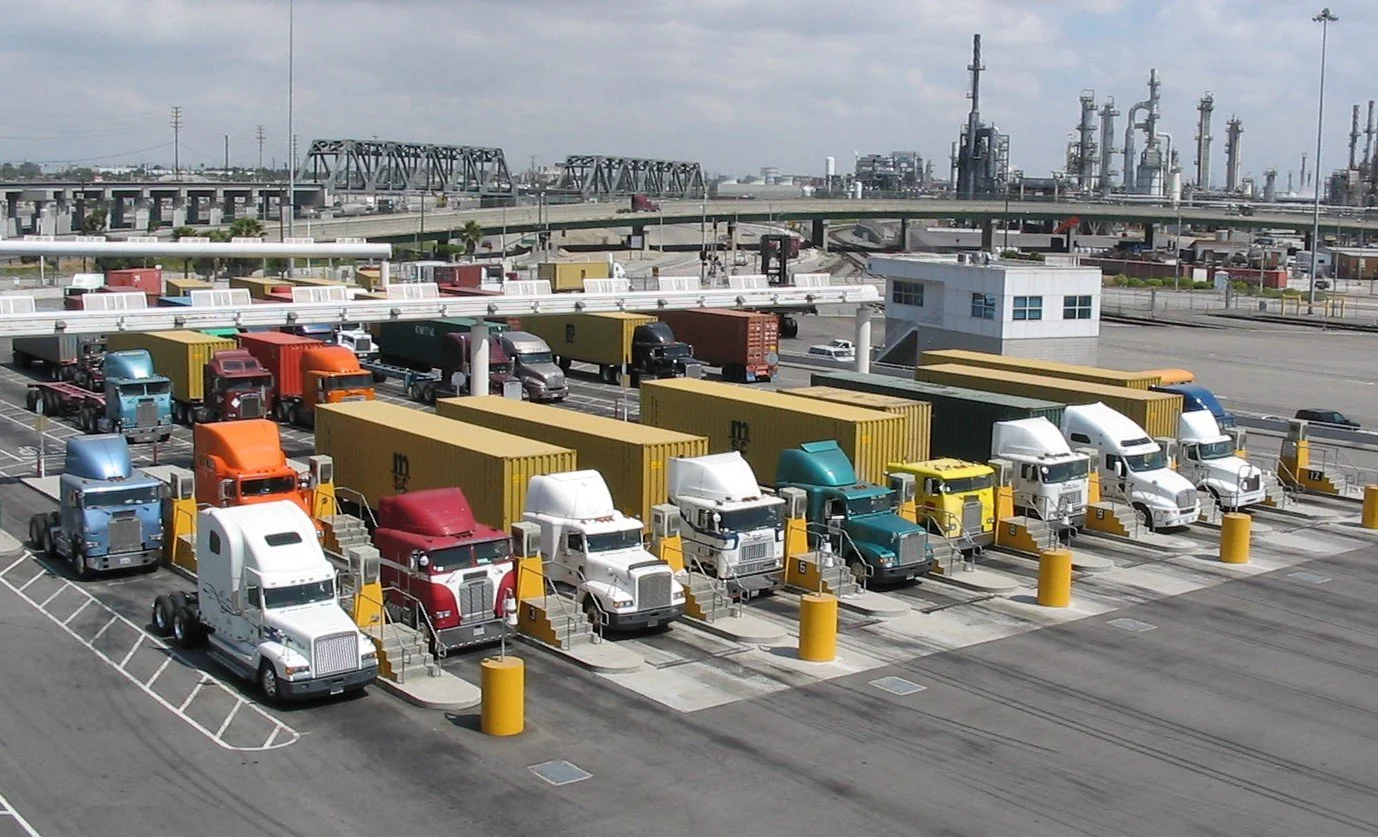
Transportation has opened 2026 with a rally that has been hard to ignore. When the companies that move goods and people start leading, the market tends to treat it as a vote for stability in the real economy. That signal is not perfect, but it is intuitive. If general economic demand were weakening, it would be hard for investors to justify buying the group most exposed to volumes, capacity, and pricing.
That is what makes the move stand out. The Transportation Average hit a record close of 18,033.58 on Jan. 6, which set the tone early that investors were willing to pay for a strong economy read. Since then, the strength has held. As of Feb. 9, the Dow Jones Transportation Average is up 13.81% year to date, compared with 1.74% for the S&P 500 over the same period.
The mistake is assuming that strength applies evenly across the sector. Transportation is not one business. A broad move can lift nearly everyone at first, but it does not change their fundamentals. The next phase is usually about sorting. The companies that can hold these returns tend to have structural earnings power, and the ones that do not often give the move back once conditions settle.
What the rally is really about
Transportation rallies are usually a mix of improving expectations and relief from prior pressure. Investors often buy the sector as a simple way to bet on stability, then the market starts separating business models. That separation matters because transportation includes both names that move largely on sentiment, and others that have real pricing power through contracts, networks, and service.
At the start of a rally, stories move faster than results. Later, results take over. The difference between a strong quarter and a strong business is where returns either stick or fade.
Why the macro environment matters, but does not decide winners
A steadier rates environment has also helped drive the recent rally. The 10-year Treasury yield was 4.20% on Feb. 9, which matters in a capital-intensive industry. Financing costs feed directly into fleet decisions, aircraft orders, and network investment. When rates are calmer, it is easier for investors to value these businesses without having to constantly revise their assumptions.
There have also been better signs in the economic data. ISM reported a January 2026 Manufacturing PMI of 52.6, which signals expansion. That does not guarantee a smooth recovery for freight, but it supports the idea that transportation is rallying alongside broader industrials.
Still, macro stability does not mean every transportation company has the same earnings power. It just creates a setup where fundamentals, not headlines, start deciding leadership.
Where the market is already separating business models
Transportation moves together early in a rally, but the underlying economics are different.
Airlines often move first because they are the cleanest sentiment trade. When investors feel better about travel demand, airlines can rally quickly. The flip side is that their earnings are less stable. If the macro story shifts, they can give it back just as fast.
Trucking and LTL are tied more directly to freight pricing and capacity. Here, the rally often reflects early signals of tightening rather than a true surge in demand. In late January, tender rejections were reported at 9.97%, meaning close to one in ten loads were being rejected. This is usually an early sign that carriers have regained some leverage, and it often shows up here before it does in the quarterly numbers.
Rail tends to be judged on discipline. Investors care about service reliability and cost control as much as volume. When rail can protect pricing and run efficiently, it often looks steadier than other more cyclical segments of transportation.
Logistics is where execution shows up quickly. In a rally, investors tend to favor companies that can protect margins and run well without needing demand to be perfect.
What the freight data is signaling now
One reason transportation stocks can move before the fundamentals look obvious is that freight often stabilizes before demand fully recovers. Pricing can improve even if volumes aren’t growing yet, and equities tend to react to this quickly.
A good example was the spot market in December. DAT reported average spot van rates of $2.29 per mile, up $0.20 from November. What matters is that it did not fade right after. DAT’s data shows average spot van rates of $2.47 in February 2026, which supports the idea that pricing can firm up before a full demand recovery shows up.
This is why transportation rallies often start on stabilization. The market does not need perfect numbers. It needs to believe the worst conditions are no longer getting worse, and pricing is often one of the first places that shift becomes visible.
What “quality” looks like in transportation
The companies that hold gains through a cycle tend to share a few traits. They usually have more stable revenue, often through contracts that reduce exposure to sudden resets. They also have real network advantages, where density and scale lower costs and improve service. They have reliability in parts of shipping where failure is expensive. Customers are willing to pay for consistency, and that supports pricing even when demand is uneven. Finally, the better operators show discipline. They protect pricing, manage capacity carefully, and invest selectively instead of chasing growth just because the market is giving them a green light.
On the other hand, the exposed business models are still exposed. Those whose core offering is generic capacity can rally hard when conditions tighten, then reverse just as quickly when supply loosens. High leverage can look fine during a rally and then become fragile fast if demand or pricing softens. Businesses that rely heavily on spot pricing can see earnings spike, but the durability of those gains is often weaker.
Closing takeaway
Transportation strength is often treated as a signal that the economy is stable enough to support real activity. The early 2026 rally fits that interpretation. But transportation is not uniform, and the rally does not remove the differences in business models.
The next phase is sorting. The winners will be the operators with real pricing power, disciplined capacity decisions, and networks that create advantages over time. Others will participate, but they will struggle to hold onto gains once conditions normalize. Simply put, the cycle sets the stage, but the business model will decide the winners.
As an investor, I would feel comfortable leaning into the larger value names in transportation. They fit the market’s current broadening-out theme and work well as a bet that economic conditions stay stable through 2026. If the economy softens, the names with contracts, network advantages, and balance sheet strength should hold up best.
