Ryman’s $1.38 Billion Bet
How Ryman Hospitality Properties Is Financing Its Acquisition of Grande Lakes Orlando.
By: Natalie Sarff
23 September, 2026
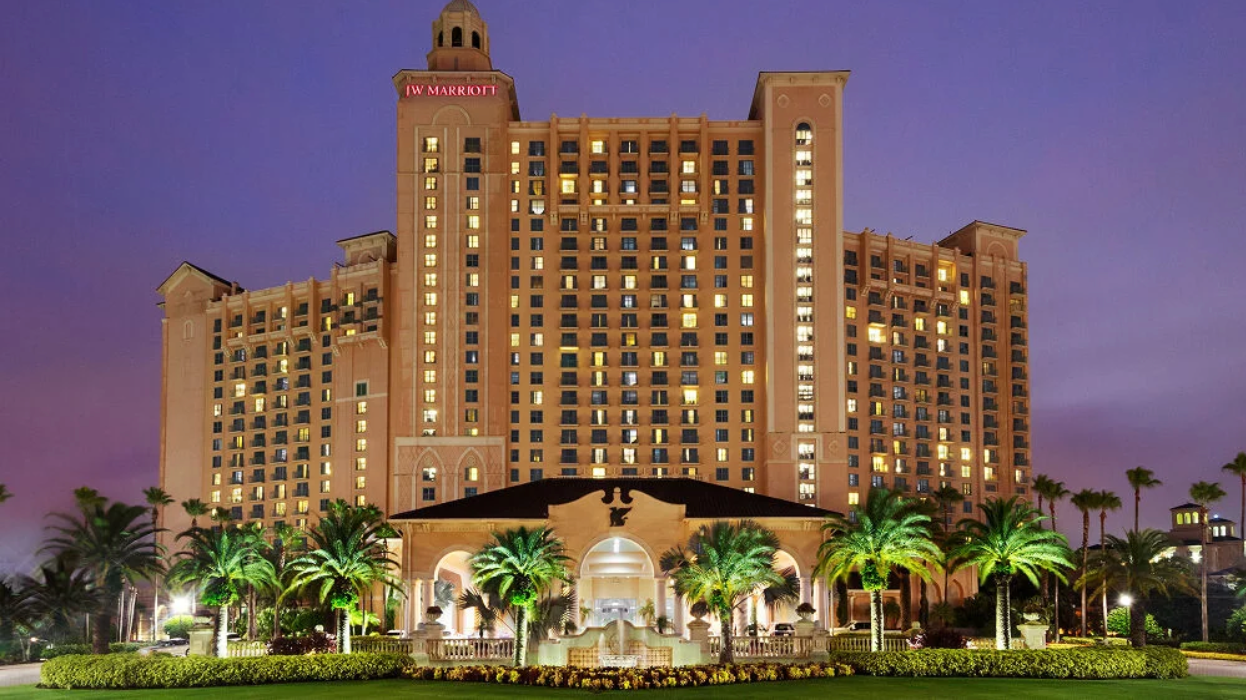
In August, Ryman Hospitality Properties announced a $1.38 billion agreement to acquire Grande Lakes Orlando, a 409-acre resort complex featuring both the JW Marriott Orlando and The Ritz-Carlton Orlando. The acquisition closed on September 1st, adding 1,592 hotel rooms and approximately 320,000 square feet of meeting and event space to Ryman’s portfolio. The deal provides a closer look at how Ryman is using property value, financing, and expected future cash flows to create value for shareholders.
Why Grande Lakes?
Ryman Hospitality Properties is a real estate investment trust, or REIT, that owns and operates large, upscale resorts and convention centers. Its portfolio includes several Gaylord properties, including Gaylord Rockies in Colorado. Grande Lakes fits Ryman’s strategy because of its combination of hotel rooms, meeting space, restaurants, recreational amenities, and access to a major tourism market.
The location is another major factor. Orlando is one of the country’s major tourism markets, giving Grande Lakes multiple sources of demand. However, Ryman still has to determine whether the property can generate enough money to justify its $1.38 billion price tag.
The Finance Behind the Deal
Grande Lakes produced approximately $110 million in Adjusted EBITDAre during the 12 months ending June 30th, 2026. EBITDAre is a measure that helps investors understand how much operating income a real estate property generates before interest, taxes, and depreciation. Ryman is paying about 12.5 times that annual amount for the property. The purchase price also represents a 6.6% capitalization rate, which compares the property’s expected operating income to its purchase price. Together, these measures show how Ryman is valuing the property.
To finance the acquisition, Ryman used a combination of debt, equity, and cash. The company issued $700 million of senior notes carrying a 6.25% interest rate and maturing in 2035. The notes generated approximately $689 million in net proceeds. Ryman also raised additional capital by selling 5.865 million shares of common stock at $117 per share, with the remaining purchase price funded through cash on hand.
Can Ryman Make the Numbers Work?
Ryman expects the acquisition to be accretive to Adjusted Funds From Operations (FFO) per diluted share in 2027. FFO is a measure commonly used by REITs to evaluate the cash-generating performance of their properties. In simple terms, Ryman expects the acquisition to increase FFO generated per share after considering the financing used to purchase the property.
For the acquisition to create the expected value, the resort will need to generate enough operating income to justify both the purchase price and the cost of the transaction. That depends on several factors, such as hotel occupancy, room rates, convention demand, and food and beverage revenue. Ryman will also need to successfully integrate Grande Lakes into its broader portfolio and capture the financial benefits it expects from the acquisition.
There are risks as well. Tourism demand can fluctuate, and higher financing costs can reduce the benefits of an acquisition. Ryman’s projections are also based partly on expectations about future operating performance, meaning the actual results could differ from management’s estimates.
What This Deal Says About Hospitality Investing.
Ryman is betting that the property’s existing cash flows, Orlando’s tourism and meetings demand, and its ability to create additional value through its broader portfolio will justify the $1.38 billion investment.
Ultimately, the deal shows why the price of an acquisition is only part of the story. Investors also have to consider how a company finances the purchase, how much cash flow the asset can generate, and whether management can turn those expectations into actual returns.