EU-Mercosur Deal
Financial Impacts Around the World
By: Sophia Paul
Feb. 23, 2026
Background and History of the Negotiations
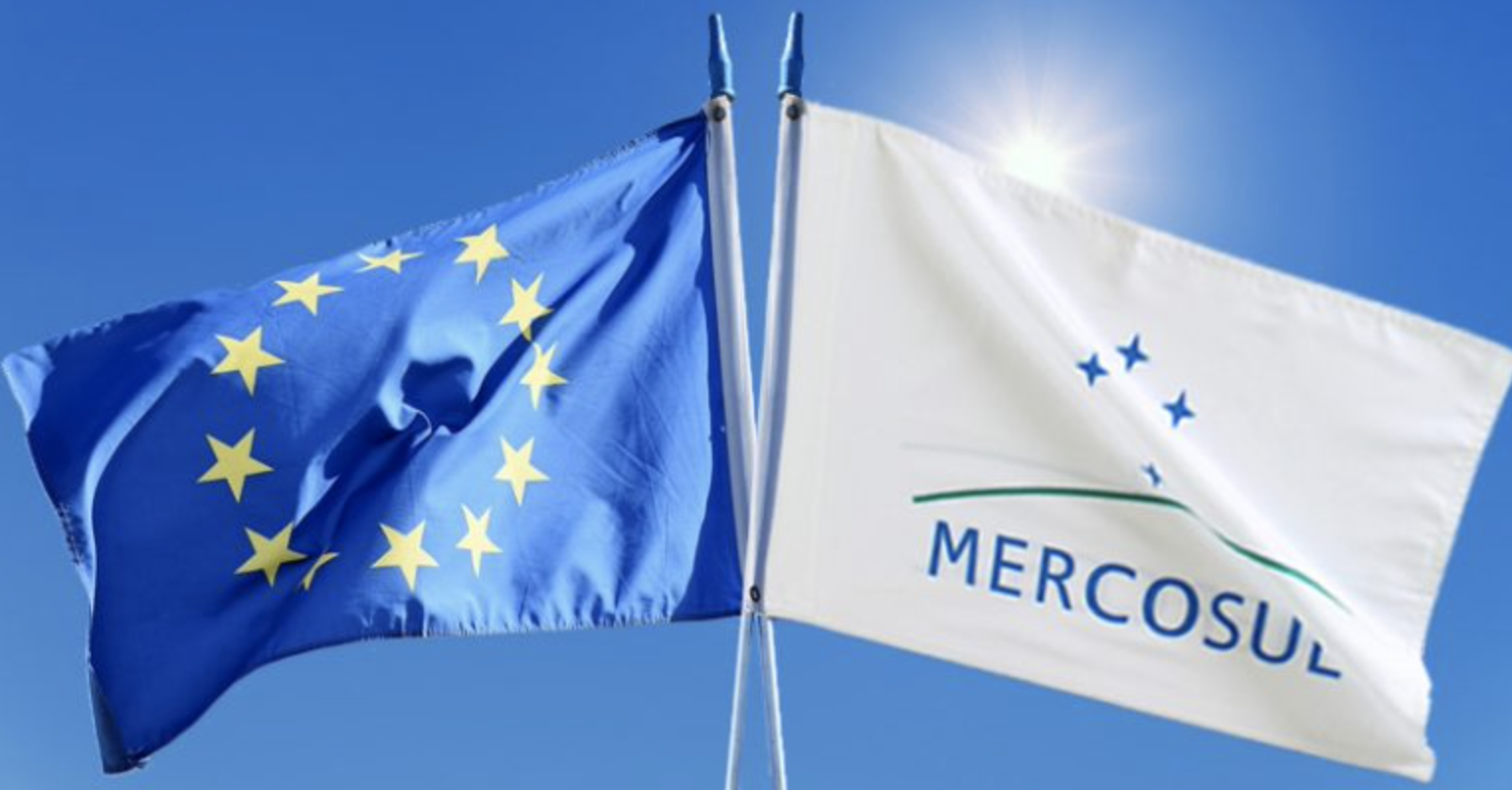
January 17, 2026 marked the end of more than 25 years of negotiations between the European Union and Mercosur. Mercosur is composed of four nations: Brazil, Argentina, Paraguay, and Uruguay, and functions as a regional free trade area.
The goal of negotiations was to establish one of the largest free trade agreements in the world, covering an estimated market of over 700 million people.
Timeline of Negotiations:
● 1995: EU-Mercosur Framework Agreement signed
● 1999: Formal negotiations begin
● 2004: Talks slow due to disagreements over agriculture, tariffs, and market access ● 2010: Negotiations resume after a six-year pause
● 2016–2018: Political and economic tensions intensify
● 2019: Agreement reached “in principle”
● 2020–2022: Talks slow again amid climate and environmental concerns
● 2024–2025: Final legal drafting and adjustments
● 2026: EU–Mercosur deal officially signed
Key Provisions of the Agreement
The central provision of this agreement is the gradual removal of tariffs on more than 90% of bilateral trade between the EU and Mercosur over a 10-15 year period. The objective is to boost economic growth, promote trade, and reduce supply chain vulnerabilities.
● The EU gains expanded access to Mercosur agricultural exports, though protections remain for sensitive agricultural sectors.
● Both parties reaffirm their commitment to the Paris Agreement to support long-term sustainability goals.
● Non-tariff barriers are reduced, making EU market entry into Mercosur easier, particularly in financial services and digital sectors.
● The agreement protects more than 350 EU geographical indications, safeguarding regional products and brand identities.
Economic Benefits of Trade Opportunities
This deal establishes the world’s largest free trade zone.
● Economic growth across both regions is projected to generate tens of billions of euros in revenue over the next decade.
● Approximately €4 billion is expected to be saved annually in tariff expenses.
● The agreement supports supply chain diversification, reducing reliance on major economies such as the United States and China.
● Increased trade activity is expected to create jobs in manufacturing, agriculture, logistics, and related industries.
● Greater market access strengthens long-term investment opportunities between Europe and South America.
Environmental and Political Concerns
Because agriculture plays a major role in this agreement, production levels in both regions are expected to rise. This raises serious environmental concerns, particularly regarding deforestation linked to agricultural expansion in Mercosur countries.
Although the agreement requires both parties to adhere to the Paris Agreement, these environmental commitments are not enforced through trade sanctions. Instead, disputes are addressed through panel consultations and dialogue. Critics argue that this lack of binding enforcement could weaken accountability and limit the agreement’s effectiveness in protecting forests and reducing emissions.
Politically, the agreement has sparked division within the European Union. Many European farmers worry about increased competition from lower cost agricultural imports from Mercosur. Concerns have also been raised about differences in production standards, food safety regulations, and environmental rules.
Farmer-led protests have occurred across Europe, with demonstrations in major cities highlighting fears of economic displacement and regulatory inequality.
Future Outlook and Ratification Challenges
Despite being signed, the agreement is not yet fully in force. It requires parliamentary approval and ratification by the appropriate authorities.
The European Parliament has referred the agreement to the Court of Justice of the European Union for legal review. This process could take over a year and may delay full implementation.
Ratification challenges are likely due to continued pushback from labor unions, environmental groups, and agricultural stakeholders. If the Court upholds the agreement’s legal structure, the European Parliament will proceed to a final vote. However, further political resistance could slow or complicate the process.
