By: Charlie Green
12 November, 2026
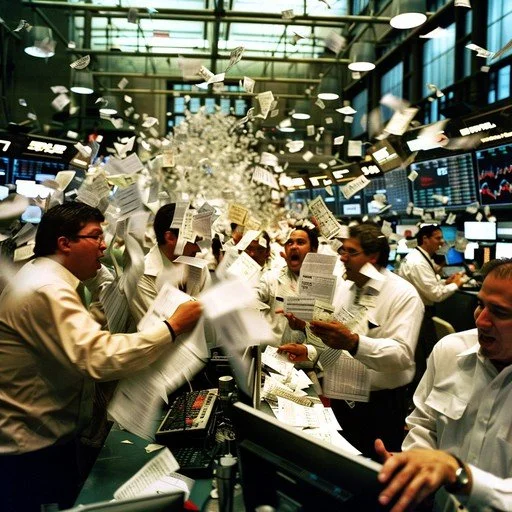
October had a somewhat weird effect on the stock market. If you only checked in on the S&P 500, which tracks the United States top 500 companies, you would have seen that nothing has really changed within the market itself. On October 6th, the market hit an all time high and finished the month down less than <1%. Underneath the surface, things were a lot shakier, some of the most famous companies in the world had some of the worst days within the market they have seen. Oil prices shot up, gold and silver crashed, and bitcoin had its worst October in over a decade. Here's what happened within the market and why it matters even if you never have purchased a stock in your life.
Big Tech has a rough month
For the past couple of years, a small group of huge tech companies have driven most of the market's gains. These huge tech companies are also spending an enormous amount of money to be able to keep up with the AI boom by building more data centers. In October, investors started asking simple questions like, “When does all the spending actually start building profit”. These types of companies report their earnings and results every three months, almost quarterly. This earning period had a lot of investors scared of what the future holds.
Alphabet, Google's parent company, dropped about 12.6% on October 29th, its worst day ever since being an IPO. Google lost roughly $500 billion in value in just one day, this is due to their overall cash flow. Google had spent $51 billion in just three months, 90 percent of that money was allocated towards their AI efforts.
Intel, A computer processing chip company, fell 28.6% in one single day, its worst day since 1974, just three years after becoming available on the market. After that warning, the next few months would be weaker than expected, making intel struggle on the primary market.
Meta, previously Facebook, fell 7% after spending more of its cash than what they bring in, accumulating debt that scares investors away from such a tech powerhouse, this is the most cash they have spent in almost a decade.
Thankfully not everyone fell, Microsoft shows its AI cloud business grow exponentially due to its partnership with universities and higher education institutions. Microsoft's revenue is up 19% when reporting their FY27 earnings on October 28th. Azure revenue is projected to grow 49–50% year over year in constant currency in the next quarter.
Most of the market was actually giving positive feedback compared to the fall within the Nasdaq. While tech fell, investors moved their money into other kinds of goods and services, for instance; oil producers, utility companies, grocery companies, and even household brands. Energy stocks alone rose about 14%. So why did the S&P 500 still fall? This situation gives bigger companies more weight and leverage. When a few giant tech companies fell, they dragged the entire index down with them, even though most other companies (non-tech) went up in the market. A version of the index that counts every company equally gained a large sum of 4.9%
S&P 500 → -0.9%
Nasdaq → -5.3%
Dow Jones → +1.7%
Equal Weight S&P 500 → +4.9%
Wall Street also has a huge fear gauge called the VIX, which will go up and down based on what the investors expect to happen within the market. Under 15 means the markets are calm. The VIX rose about 19% in October and ended around 19.4, with sharp jumps on October 16th and October 30th which were both tied to the worries about tech and AI spending.
Why does oil cost so much capital?
A big story in October was inflation, which is just how fast prices for everyday goods are rising. In September, prices were 3.7% higher than the year before, up from 3.4% in August. The Federal Reserve wants that number to be closer to 2%. The main culprit of this inconvenience is oil. The conflict between the US and Iran has been in action since early summer, this has led to the attacks on oil tankers near the Strait of Hormuz, this is a narrow bay of water that a huge share of the world's oil passes through. Global oil prices rose about 14% in October to around $117/barrel. You will notice this change when passing by gas stations, gasoline averaged around $4.23 a gallon at the end of October compared to October 2025 where gas stood at $3.04 a gallon, approximately a 39% price increase in one year. If you've filled up on college ave, you probably would have noticed these changes.
The Fed and their Interest rates/Job Market
The Federal Reserve is the country's central bank, its main tool against inflation is raising the interest rates, which makes borrowing money more expensive, so people and businesses spend less due to the rates banks are giving out for loans. The Fed raised rates in September for the first time since 2023. At its October 28th meeting, it held them to a steady rate, but two officials wanted another increase, and investors think there will be a hike in December. This objective will hit university students directly, higher rates usually mean more credit card spending, car loans to increase and of course mortgage rates as well. The positive is that if you have a high yield savings account, you will now be paid out more.
The job market looked weak in September. Employers added only 29,000 jobs when economists expected about 90,000. The economy as a whole still grew fast, though. GDP grew at a 3.4% annual pace over the summer. Then in early November, the October jobs report surprised to the upside with 165,000 new jobs, and unemployment fell to 4.1%. If you're graduating soon, that's a number worth keeping an eye on.
Bonds, Metals, and crypto
Stocks weren't the only market that was struggling in the month of October. Early in the month, the 10-year treasury yield hit an all time high of 5.3%, its highest since 2002, before falling back to about 4.9% as investors moved towards safer investments, commodities. Gold and Silver usually are the go to safe investments where they are not very risky and have steady growth rates most of the time. Unfortunately, due to a high volume of investors selling their commodities and people buying them for a lot, Gold dropped about 6.8% and silver dropped 19%, since a metal that pays no interest is ultimately a tough sell when bonds pay close to 5%. Bitcoin slid down 7.3% to about $77,400/coin, its worst October since 2014, and on October 29th hackers from North Korea stole roughly $6.3 billion from Binance, making it the largest crypto theft in history.
The bigger lesson from October is that the market isn't just one place to sell and buy. The S&P 500 barley moved, yet intel lost almost a third of its value in one day while energy stocks gained 14%. Whether you're putting money into an index fund, a Roth IRA or nothing at all, know what you own and diversify it, make your portfolio less risky than it has to be for overall wealth security.