By: Hunter Folga
11 November, 2026
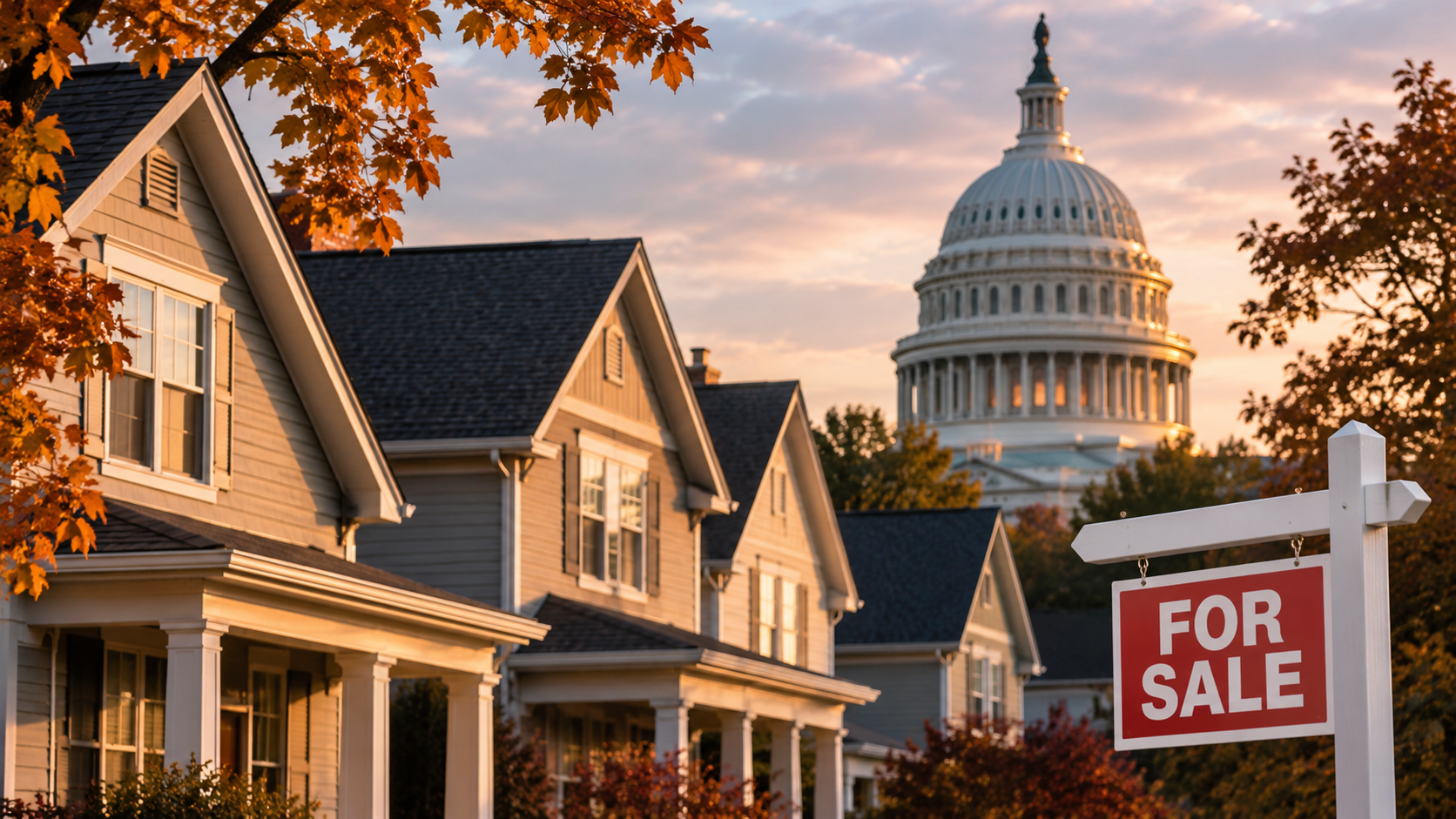
If you ask most people what the election means for housing, you'll probably get one of two answers. Either Democrats taking over Congress is going to fix the housing market, or you're going to hear that it's going to make it worse. Democrats did win big on Tuesday. They're projected to hold at least 250 seats in the House, and they flipped seven Senate seats, including seats in Texas, Ohio, Kansas, and Iowa.
For real estate investors, the biggest housing change of the year already happened back in July.
The Law That Already Passed
Earlier this year, in July, Congress passed the 21st Century ROAD to Housing Act. It became law on July 11 without President Trump's signature, after both parties voted for it by huge margins. Most of the law is about getting more homes built by cutting red tape around permits and making construction loans easier to get. But the part investors should really pay attention to is the rule on big Wall Street buyers.
Starting January 7, 2027, any investor that owns 350 or more single-family homes won't be allowed to buy any more. There are exceptions for companies that build homes or renovate homes specifically to rent them out. Homes that were bought before the law passed don't have to be sold. The Treasury Department already released its first proposed rule to enforce this on October 22. Both parties wanted this, so it was going to happen no matter who won on Tuesday.
What Actually Changes
What the election really changes is who controls the money. The ROAD Act created a few new grant programs to help cities build more housing, but Congress never actually funded most of them, and the current government funding runs out in December. The Republican House had even proposed cutting $750 million from the HOME program, which helps pay for affordable housing. With Democrats running both chambers, those programs are a lot more likely to get real funding.
Some Democratic bills also have a much better shot now. The biggest one is the Downpayment Toward Equity Act. This would give first-time, first-generation homebuyers up to $25,000 for a down payment, with about $100 billion set aside in total. There's also a proposed FHA program for small mortgages under $100,000. This also includes more money for disaster protection, which can affect what people pay for home insurance. Joel Berner, an economist at Realtor.com, also said to watch whether Democrats try to cut tariffs on building materials and whether some states start pushing for rent control.
The Number That Moved Right Away
The one thing investors could see change right away was mortgage rates. Freddie Mac's average 30-year mortgage rate fell to 7.18% this week, its third drop in a row. To understand why, it helps to know one number: the 10-year Treasury yield.
Mortgage rates don't follow the Federal Reserve directly. They mostly follow the 10-year Treasury yield, which is basically the interest rate the government pays when it borrows money for 10 years. When the government is expected to borrow a lot, it has to sell more bonds, and investors want a higher rate to buy them. With Democrats running Congress and a Republican president, most people expect gridlock, meaning big new spending bills or tax cuts are less likely to pass. Less borrowing means less pressure on yields. The 10-year yield fell to about 4.84%, down from over 5.3% in early October, and mortgage rates followed it down.
That said, rates are still high. A year ago, the 30-year rate was around 6.22%. Zillow expects rates to stay above 7% until about the middle of next year, and buyers aren't exactly rushing back. Mortgage applications to buy homes actually fell 2% last week.
What This Means for Investors
If you want to follow this without owning any property, one stock to watch is Invitation Homes, which trades under the ticker INVH. Invitation Homes is one of the biggest owners of single-family rental homes in the country, so it's exactly the kind of company the 350-home rule is aimed at. After January, it won't be able to keep buying existing homes the way it used to, so it will probably lean more on building new rental homes, since that's still allowed. It's not a SELL RIGHT NOW signal on its own, but it's worth watching how the company changes its growth plans over the next year.
For small investors, it gets more interesting. If you own fewer than 350 homes, which is almost every regular investor, the new rule doesn't affect you at all. In some areas, that could mean less competition from big companies making cash offers. But if the $25,000 down payment bill passes, small investors could end up competing with a lot more first-time buyers for the same starter homes. Personally, I think that's the part most people are missing. Giving buyers more money without building more homes usually just pushes prices up, and starter homes are exactly where most small investors and house flippers are buying. Supporters would say the ROAD Act's push to build more should balance that out, but new homes take years to actually show up.
Flippers should also remember what didn't change, which is the cost of borrowing. With rates still over 7%, a deal has to make sense with today's numbers, not on the hope of refinancing at a lower rate in 2027.
None of this is guaranteed. The new Congress doesn't start until January 3, President Trump can still veto anything Democrats pass, and Democrats don't have enough votes to override him. A survey from Clever Real Estate in October found that 63% of Americans don't think the midterms will help the housing market at all, and in the short term, they might be right. Still, housing is one of the few issues both parties seem willing to work on together, and some industry groups are already talking about a second ROAD Act before the end of 2027.
The election changed who controls the money. It didn't change the math on your next deal.