The Tariff Effect
The Cost of Protectionism
By: Sophia Paul
Jan. 12, 2026
The Rationale Behind the Tariffs
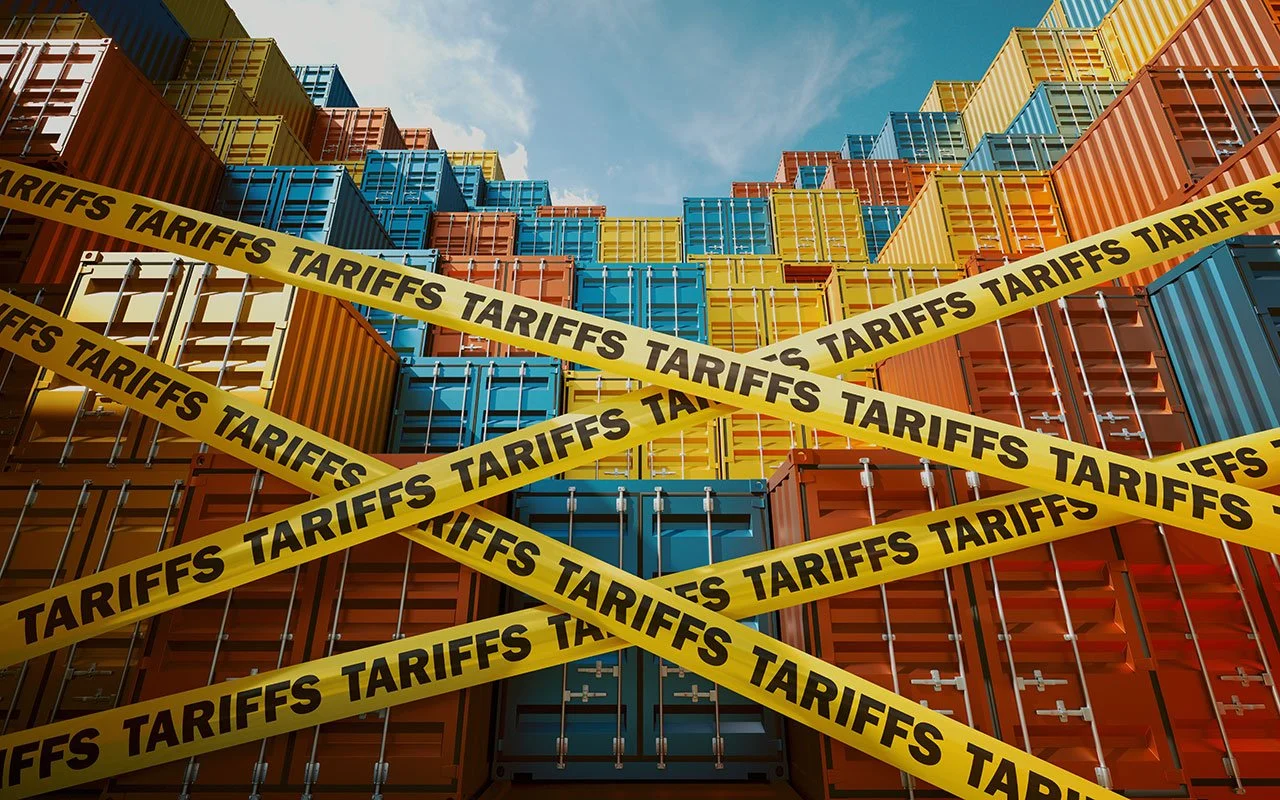
In early 2025, the Trump administration announced sweeping tariffs on 57 of the United States’ major trading partners, embracing a policy that many economists characterize as protectionist. The stated objective was to shield domestic industries from foreign competition and encourage companies to produce and operate within U.S. borders, with the administration citing potential benefits to domestic employment and national security. The administration also argued that tariff revenue could be used to reduce the national debt and narrow the trade deficit.
Since the tariffs were imposed, the national debt has risen by approximately $2 trillion, while the trade deficit has declined by roughly 39%, according to Federal Reserve data. Economists caution, however, that these trends reflect multiple contributing factors, including fiscal policy, exchange rates, and shifts in global demand, making direct causality difficult to isolate. Analysts suggest that the reduction in the trade deficit may come with broader economic costs. In certain sectors, tariffs may modestly encourage domestic investment, particularly where supply chain resilience is prioritized over short term efficiency, though evidence of sustained gains remains mixed.
Immediate Effects on U.S. Businesses and Consumers
Tariffs function as a consumption tax, embedding higher costs directly into the price of imported goods. For businesses, this translates into increased production expenses that are often passed on to consumers through higher prices. When firms are unable to raise prices without losing demand, they instead absorb the costs, resulting in compressed profit margins and reduced capital available for reinvestment.
The tariffs also disrupted established supply chains, forcing companies to renegotiate contracts or relocate sourcing to tariff-free regions. These adjustments increase operational complexity and costs, particularly in industries dependent on imported intermediate goods such as manufacturing, retail, and automotive production. As a result, many U.S. firms face lower operational efficiency and reduced competitiveness, both domestically and in global markets, relative to firms that retain access to lower cost inputs.
Financial Markets and Corporate Uncertainty
Any major shift in economic policy tends to increase market volatility, and the response to the 2025 tariff announcement reflected that pattern. Following the announcement, equity markets fell sharply, erasing nearly $2 trillion in value within minutes. Over the following days, losses had grown to an estimated $10 trillion, among the largest short term market declines in recent history.
Corporations with significant global exposure experienced immediate downward pressure on their stock prices. Uncertainty surrounding future input costs, trade access, and regulatory conditions complicated earnings forecasts, prompting many firms to scale back or cancel planned investments. Capital expenditures and expansion projects were delayed as companies adopted more defensive strategies in response to elevated policy uncertainty.
Retaliation and International Relations
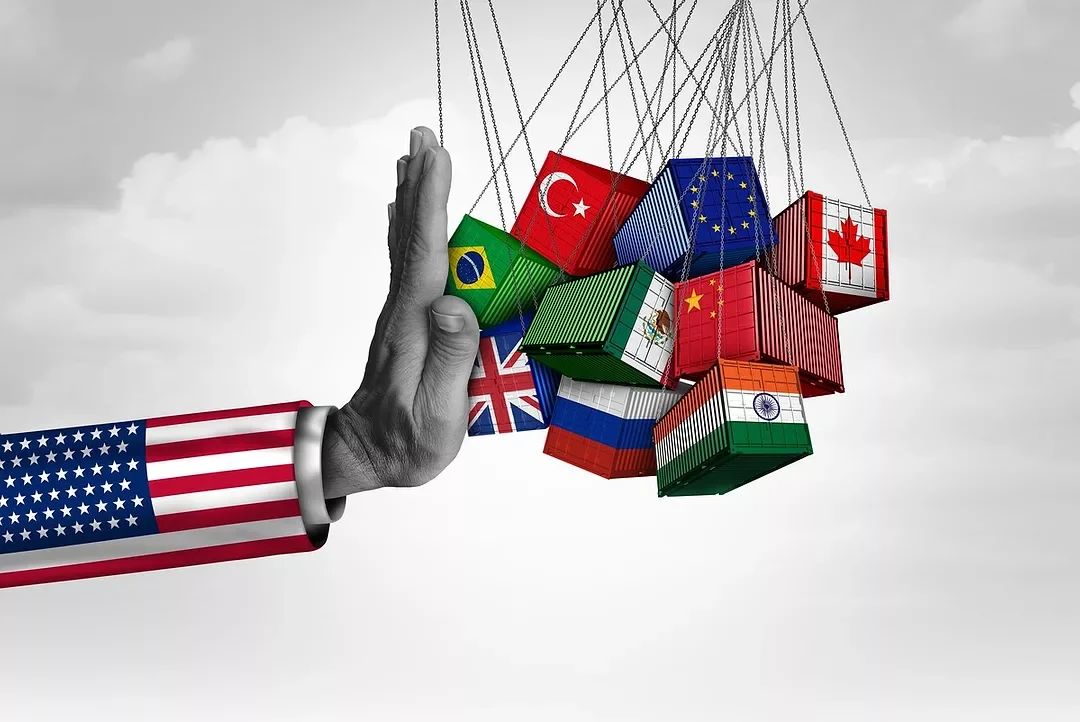
The tariffs have also strained international relationships, as affected nations have viewed the policy as an adversarial trade action rather than a cooperative economic measure. This perception triggered retaliatory tariffs from several countries, escalating tensions into a broader trade conflict.
Although some agreements have since been reached with major partners such as the European Union, China, and Japan, many countries have accelerated efforts to restructure supply chains to reduce exposure to U.S. trade policy risk. These shifts are often long lasting. The result has been weaker demand for certain U.S. exports, downward pressure on real wages in affected industries, and rising input costs, creating conditions that resemble stagflationary dynamics.
Long Term Implications
If the tariffs remain in place, the long term economic outlook becomes increasingly constrained. GDP growth is likely to slow or contract as higher production costs weigh on business productivity and consumer spending. As tariff related costs are passed through to households, real consumption growth could weaken, further dampening domestic economic activity.
Over time, U.S. trading partners may continue to diversify away from American markets, reducing export opportunities and foreign direct investment. Even if tariffs are eventually repealed, the effects could prove difficult to reverse fully. Supply chains that have been restructured may not return, and lost market access could persist well beyond the life of the policy. Real consumption growth could weaken. A clearer long term trade framework could help limit these effects and restore confidence among businesses and trading partners.
