Weekly Roundup Jan. 25-30
FED PAUSE | ECONOMY REPORTS AND DOLLAR FALLS | YOUR NEXT FED CHAIR
By: Lorenzo Alfonso
Feb. 1, 2026
Market Snapshot
S&P500: -0.31% | Russel 2000: -1.55% | Dow Jones: 0.68% | Oil (WTI): 14.44% | Gold (GLD): --11.68% | VIX: -0.73% | 10 yr Treasury Yield: 4.275%
The Economy at a Glance
Markets started the week advancing, with the S&P 500 briefly topping 7,000 before retreating toward the end of the week. Large-cap stocks gained and outperformed their growth counterparts. Meta had a strong run following an impressive earnings report, with the stock rising more than 10% on Wednesday.
FED Rate Pauses
As mentioned last week, one of the biggest takeaways in the markets that were expected, was the pause in further rate cuts. Last week, we examined CME probabilities, which showed a high likelihood of a pause, and that expectation proved correct. Rates were paused as the Federal Reserve committee looks for more evidence that prior rate cuts are moving inflation toward its long-term goal of around 2%. A future rate cut later this year remains possible, but it will depend on incoming data.
Consumer Confidence Decreases
After increasing in December, the Conference Board’s consumer confidence gauge fell to its lowest level since May 2014. The index declined from 94.2 in December to 84.5 in January 2026, reflecting weakening consumer views on the labor market and the broader economy.
Dollar Falls
On January 27, the U.S. dollar fell to 95.639. A weaker dollar is generally favored by the current Trump administration because it makes American exports cheaper for foreign buyers and incentivizes demand for U.S.-made goods such as vehicles, technology, and machinery. On the other hand, if foreign investors believe the U.S. is intentionally weakening its currency, they may reduce exposure to U.S. assets and move capital elsewhere. While the dollar remains the world’s primary reserve currency, sustained weakness could undermine global confidence over time.
Your Future Fed Chair
We have discussed Federal Reserve Chair Jerome Powell multiple times in recent weeks. Powell was appointed by President Trump in 2017 and his term as chair is scheduled to end in May. While his chairmanship would conclude, his role as a Federal Reserve Board member does not expire until 2028, allowing him to remain on the Board. The Fed chair is appointed by the President of the United States and confirmed by the Senate.
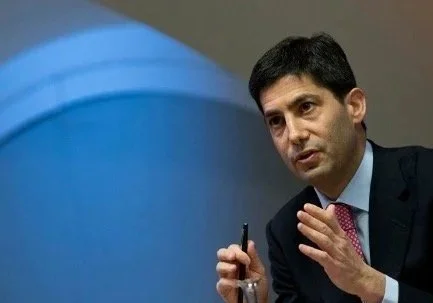
So, who could be the next Fed chair? Kevin Warsh as of Friday has been appointed by President Trump to be the next fed chair. Warsh served on the Federal Reserve Board from 2006 to 2011, playing a role during the financial crisis. Appointed by President George W. Bush, he was one of the youngest board members at the time. During his tenure, Warsh was involved in the design and implementation of emergency lending programs aimed at stabilizing credit markets.
Warsh is a Stanford University graduate who earned his law degree from Harvard. He later married into the Lauder family and previously worked in investment banking at Morgan Stanley, as well as serving in the George W. Bush White House as a special assistant for economic policy.
Analysts are generally bullish on the possibility that Warsh would favor rate cuts if appointed chair. Additionally, Warsh has been a vocal critic of the Federal Reserve’s recent approach. He has argued that the Fed has drifted away from its core mission of price stability and employment, instead focusing on issues such as climate change and diversity initiatives. Warsh has also criticized the Fed for being overly reactive, relying too heavily on past inflation data rather than forward-looking indicators. Lastly, he has pointed to the Fed’s expanded balance sheet, arguing that large-scale bond purchases have blurred the line between monetary and fiscal policy and helped keep government borrowing costs artificially low.
Looking Ahead
This upcoming Friday brings the monthly jobs report, which will show whether recent labor market weakness carried into January.
Happy February everyone!
Glossary
S&P 500: Think of this as the main scoreboard for the U.S. stock market. It tracks 500 of the biggest companies in America. When people say “the market was up,” they usually mean the S&P 500.
Large-Cap Stocks: These are the biggest, most established companies in the market (Apple, Microsoft, Meta, etc.). They usually move slower than smaller companies but are seen as more stable, especially during uncertain times.
Earnings Report: This is a company’s quarterly “report card.” It shows how much money the company made, how much it spent, and whether it met expectations. Stocks can move a lot based on these results.
Federal Reserve (The Fed): The central bank of the United States. Its main job is to control inflation and keep the economy stable by adjusting interest rates and managing money in the system.
Rate Cut / Rate Pause:
A rate cut means the Fed lowers interest rates to stimulate the economy.
A rate pause means the Fed is waiting—no cuts, no hikes—while it watches how the economy responds to previous moves.
CME Probability / Futures Market Odds: This is how investors “bet” on what the Fed will do next. These probabilities come from trading in interest-rate futures and reflect what the market expects, not what is guaranteed.
Inflation Target (2%): The Fed’s long-term goal for price growth. Inflation at 2% means prices are rising slowly enough that the economy stays healthy without getting out of control.
Consumer Confidence Index: A survey that measures how optimistic people feel about their jobs, income, and the economy. When confidence drops, people tend to spend less, which can slow the economy.
U.S. Dollar Index (DXY): A measure of how strong the U.S. dollar is compared to other major currencies. A falling dollar makes U.S. exports cheaper but can also worry foreign investors.
Reserve Currency: This is why the U.S. dollar matters so much globally. Many countries use the dollar for trade, savings, and reserves. If trust in the dollar weakens, it can have big global consequences.
Federal Reserve Chair: The leader of the Federal Reserve. This person has massive influence over interest rates, inflation policy, and financial markets. Markets care a lot about who holds this role.
Federal Reserve Balance Sheet: Basically the Fed’s “assets.” When the Fed buys bonds, this balance sheet grows. A very large balance sheet can distort markets and blur the line between monetary and government spending policy.
Monetary Policy vs. Fiscal Policy
Monetary policy = what the Fed controls (interest rates, money supply).
Fiscal policy = what Congress and the President control (taxes, spending).
When the Fed buys a lot of government debt, those lines can start to blur.
Monthly Jobs Report: A key economic report that shows how many jobs were created, the unemployment rate, and wage growth. Markets care because it helps determine what the Fed might do next.
