Why one offhand comment from the CEO has regulators asking if anyone was free to speak up about the Norfolk Southern deal
By: Celine Jamnik
30 November, 2026
When two companies announce a merger, most of the attention goes to the numbers: synergies, cost savings, and valuation. But for deals that need federal approval, the numbers only tell part of the story. Regulators also must trust the process used to judge the deal, and that trust is much harder to rebuild than a spreadsheet is to fix.
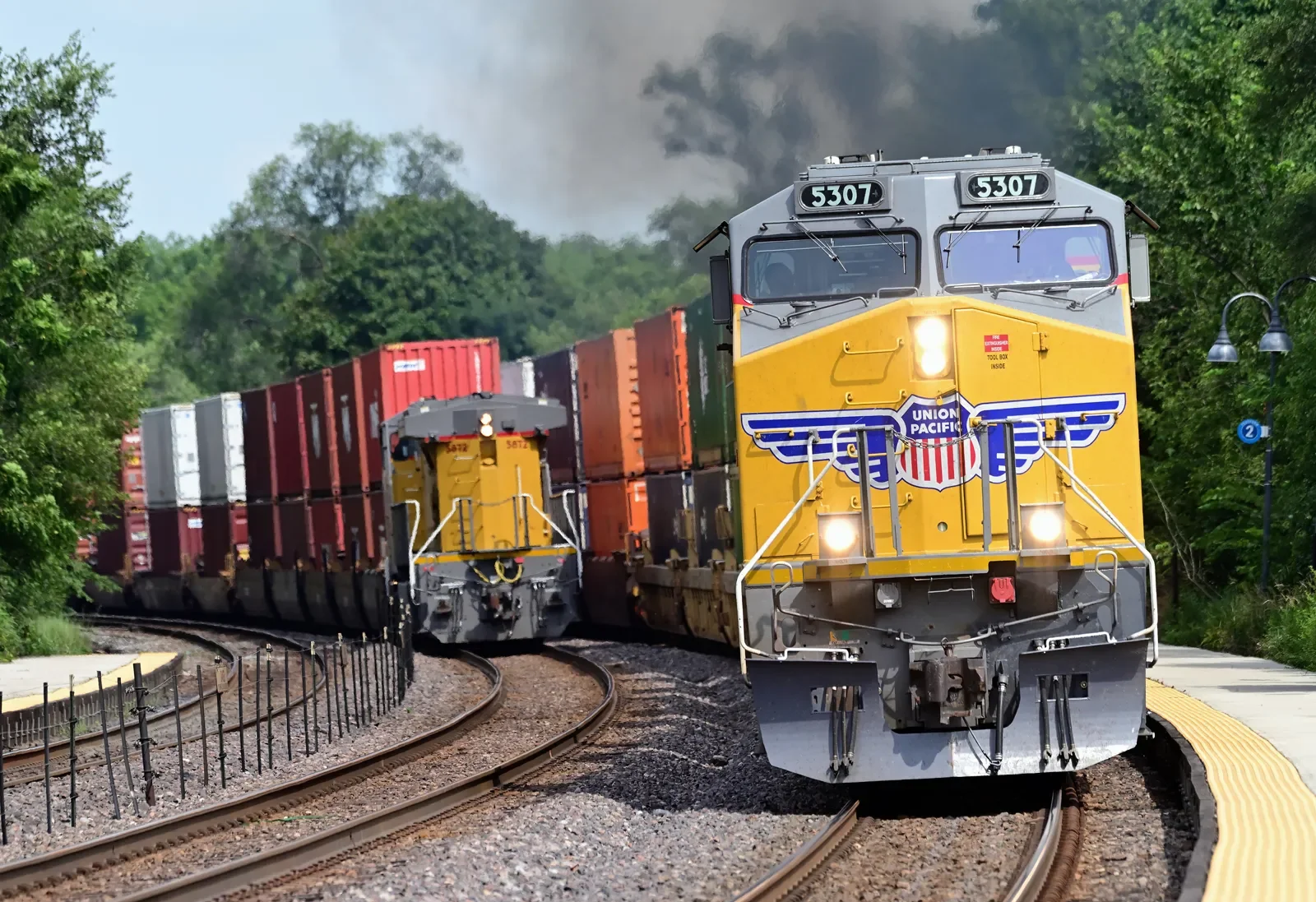
Union Pacific's proposed $85 billion acquisition of Norfolk Southern is now a case study in what happens when that trust is shaken. To be fair, the market doesn't seem to be panicking. The spread moved only about $3 in the latest report, which suggests many investors still expect the deal to get done. But a small move today doesn't mean regulators won't hold the comment against the company later.
Why Candor Matters in a Merger Review
The Surface Transportation Board (STB), the federal agency that oversees rail mergers, doesn't only ask whether a deal is profitable. It asks whether the deal serves the public interest, and it answers that largely from what affected parties tell it. Customers, competitors, and other stakeholders explain how a combined company could change prices, service, and competition.
That system depends on people feeling safe to be honest. Rail customers, known as shippers, are in an especially vulnerable spot. Many have few alternatives to the railroad that serves them, so a rate increase would land directly on their business. If they think criticizing a merger could cost them money, regulators lose the information they need most.
The Remark
That is why a single comment from Union Pacific CEO Jim Vena became such a big deal. Speaking to railroad shippers in March, he suggested he might raise rates three to four percent for customers who opposed the merger, to "teach you a lesson." Union Pacific says the remark was taken out of context. A U.S. senator, shipper groups, and rival railroad Canadian Pacific Kansas City (CPKC) say it sounded like a warning.
The "it was a joke" defense misses the point. Intent isn't what regulators are weighing. What matters is how it sounded to the people in the room, and a joke from the person who controls your costs doesn't land like a joke from a colleague.
Even if Vena meant nothing by it, he was addressing an audience with few alternatives and a lot to lose, at the exact moment the company needed their honest input. For a CEO leading a deal this size, that's a serious lapse in judgment.
What the STB Has Signaled
The board's response suggests it sees the same risk. It said evidence of threatened or actual retaliation will play a major role in its decision. In plain terms, that tells Union Pacific that how it treats customers now matters as much as the economics of the deal.
CPKC wants the review ended entirely, but as a competitor that benefits if the deal fails, its request deserves some skepticism. The STB is unlikely to shut the process down, since it's too far along. Still, Union Pacific now faces a harder road, and its CEO's comment has made it much harder for the board to give the company the benefit of the doubt.
What It Means for Deal Risk
This is where regulatory risk shows up in a real deal. Union Pacific can point to more than 500 supporting customers, representing over 30 percent of its volume. That should be a strong argument, but after this episode, it's a weaker one.
Regulators can now reasonably ask how freely that support was given, and Union Pacific has no easy way to prove the answer.
Costs can show up in two ways. The first is conditions. The more regulators worry about customer treatment, the more likely approval comes with commitments on pricing and service, and each one chips away at the savings that justified the merger.
The second is time. With the review expected to run into 2027, every added delay stretches out the uncertainty for investors.
As of November 13, one market tracker put the spread between Norfolk Southern's share price and the value of Union Pacific's offer at about $63, up from about $60. That's a small move, and it can't be blamed on one comment, since part of the offer is Union Pacific stock that changes in value every day. But a gap of that size, roughly 16 percent of the offer, shows investors are still demanding a real discount for the chance the deal doesn't go through as planned.
Questions for Everyday Investors
For college students and newer investors, this situation is a reminder that a merger's value depends on more than its financial logic. A deal can look great on paper and still be delayed, reshaped, or blocked, and executive behavior during the review can decide the outcome.
That raises a few questions worth thinking about. How much should a CEO's public comments matter when a company needs government approval? When a stock's price depends on a deal closing, how much reflects the actual business, and how much is just the hope that regulators say yes? And if conditions shrink the benefits of a deal, is it still worth the wait?