The U.S. Dollar
Markets, Movements and Global Reach
By: Sophia Paul
Dec. 5, 2025
Market Cycles
The dollar moves in long-term cycles that typically last 7–10 years. These cycles are shaped by economic performance, global demand, and central bank policy. Broadly speaking, markets move through two phases: bull and bear.
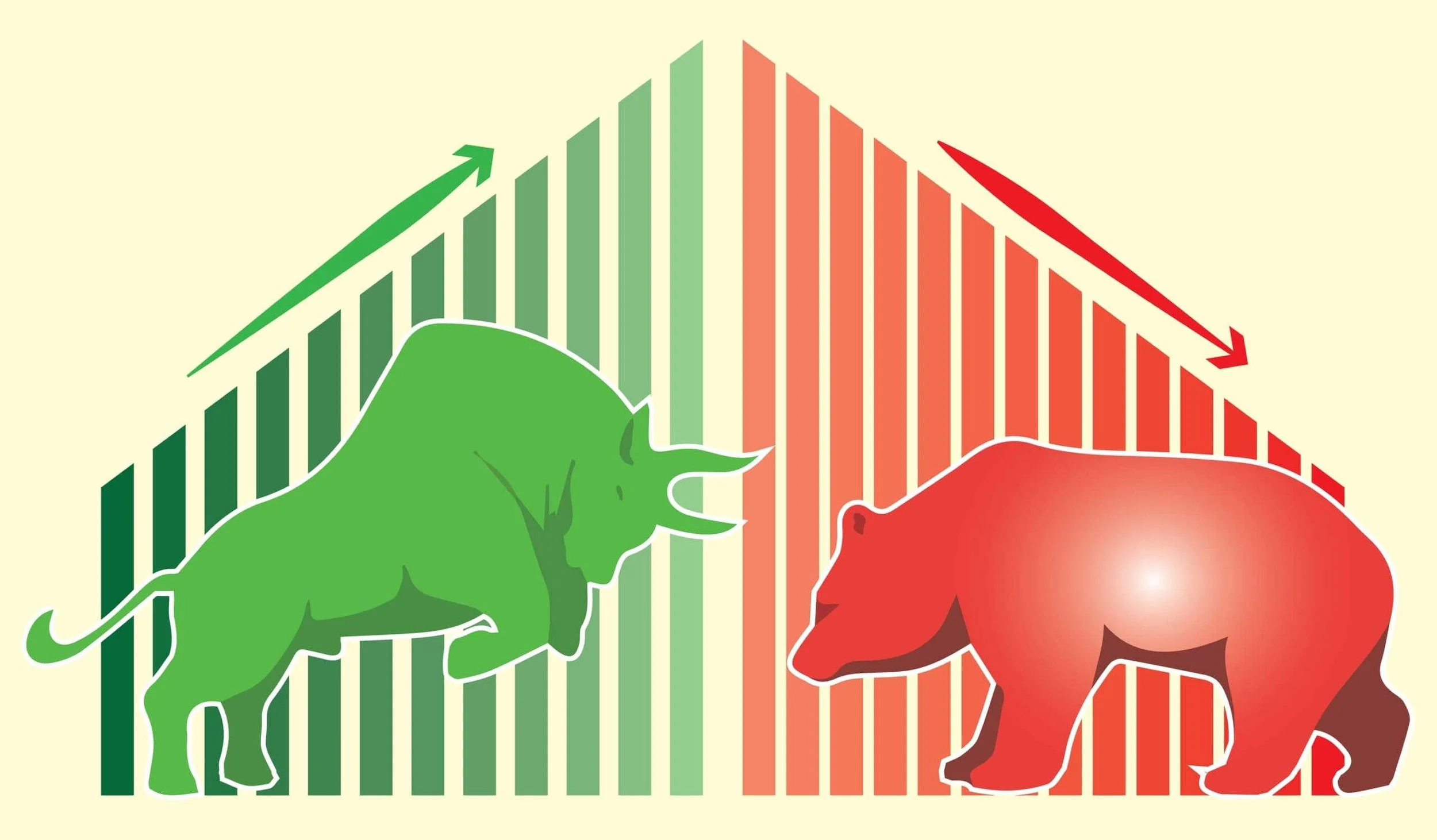
Bear markets involve roughly 20% declines in market indexes and usually coincide with a weaker dollar.
Bull markets see roughly 20% growth in markets and are often reinforced by a strong dollar.
Since October 2022, the U.S. has been in a bull cycle, supported by strong economic growth, low unemployment, and rising consumer and investor confidence. This cycle has been marked by rapid advances in AI and speculation around an AI-driven bubble.
Understanding these cycles helps investors identify opportunities and hedge against potential losses. Analysts watch for cycle-ending signals such as inflated stock valuations, slowing corporate earnings, declining 200-day SMAs, and chart patterns like double tops or head-and-shoulders formations.
The Dollar as a Measure of Domestic Markets
The dollar often mirrors the U.S. economy’s health. A rising dollar typically reflects investor confidence, expectations of higher interest rates, and easing inflation pressures. While it lowers import costs for consumers, a strong dollar can weigh on exporters.
Dollar movements also track Federal Reserve policy. Higher interest rates attract global capital to U.S. assets, reinforcing the dollar’s strength. In this way, the currency serves as a real-time indicator of market sentiment and economic expectations.
Structural Shifts in the Dollar
Over the past century, several major structural changes have shaped how the dollar functions:
1933: Domestic gold convertibility ended.
1944: The Bretton Woods system established the dollar as the world’s reserve currency.
1971–73: The Nixon Shock ended international gold convertibility and established today's floating exchange rate system.
1980s–1990s: Globalization expanded the dollar’s international use.
1999: Introduction of the euro created the dollar’s first major competitor.
2025: Production of the penny was discontinued
These shifts laid the foundation for the modern dollar-dominated global financial system.
Exchange Rates in Motion
Although the dollar remains the world’s most influential currency, it has softened against several major currencies this year. The Dollar Index (DXY) fell 11% in the first half of 2025 and continued trending downward in Q3, reflecting shifting interest rate expectations and increased global risk appetite.
A snapshot of what $1.00 USD buys today (approx.):
EUR | 0.87
GBP | 0.76
RMB | 7.11
CAD | 1.41
JPY | 157.41
CHF | 0.81
Several currencies have overtaken the dollar in face value, a relevant factor for travelers, importers, and investors managing currency risk.
International Dollar Dependence
The dollar remains the backbone of global commerce. Over 50% of world trade is invoiced in dollars, 88% of foreign exchange transactions involve the dollar, and 58% of global reserves are held in dollars. Because key commodities like oil, wheat, and metals are priced in dollars, global markets rely on its stability.
In recent years, however, several nations have taken steps toward de-dollarization. Motivated by sanctions, geopolitical tension, and a desire for greater financial sovereignty, countries within the BRICS coalition are increasing the use of their own currencies in trade and reserve holdings.
These efforts reduce global demand for the U.S. dollar, gradually weakening its international position. Still, they do not represent an immediate threat to dollar dominance. The dollar remains deeply embedded in trade networks, financial markets, and reserve systems worldwide, making any shift away from it slow-moving and limited in scope.
What does the Future of the Dollar Look Like?
Current signals suggest the DXY is likely to continue trending downward through Q4. Political uncertainty, trade tensions, and a large U.S. trade deficit all point to sustained pressure on the dollar, while global de-dollarization efforts further constrain upside.
Key indicators to watch include Fed interest rate decisions, inflation trends, and GDP growth. Slowing growth or rising inflation could further limit demand for U.S. assets. While the dollar remains central to global finance, these factors point to a period of relative weakness and volatility, with a full recovery unlikely by year-end.
