The Real Winners of the War in Iran
By: Raymond Kappel
5 August, 2026
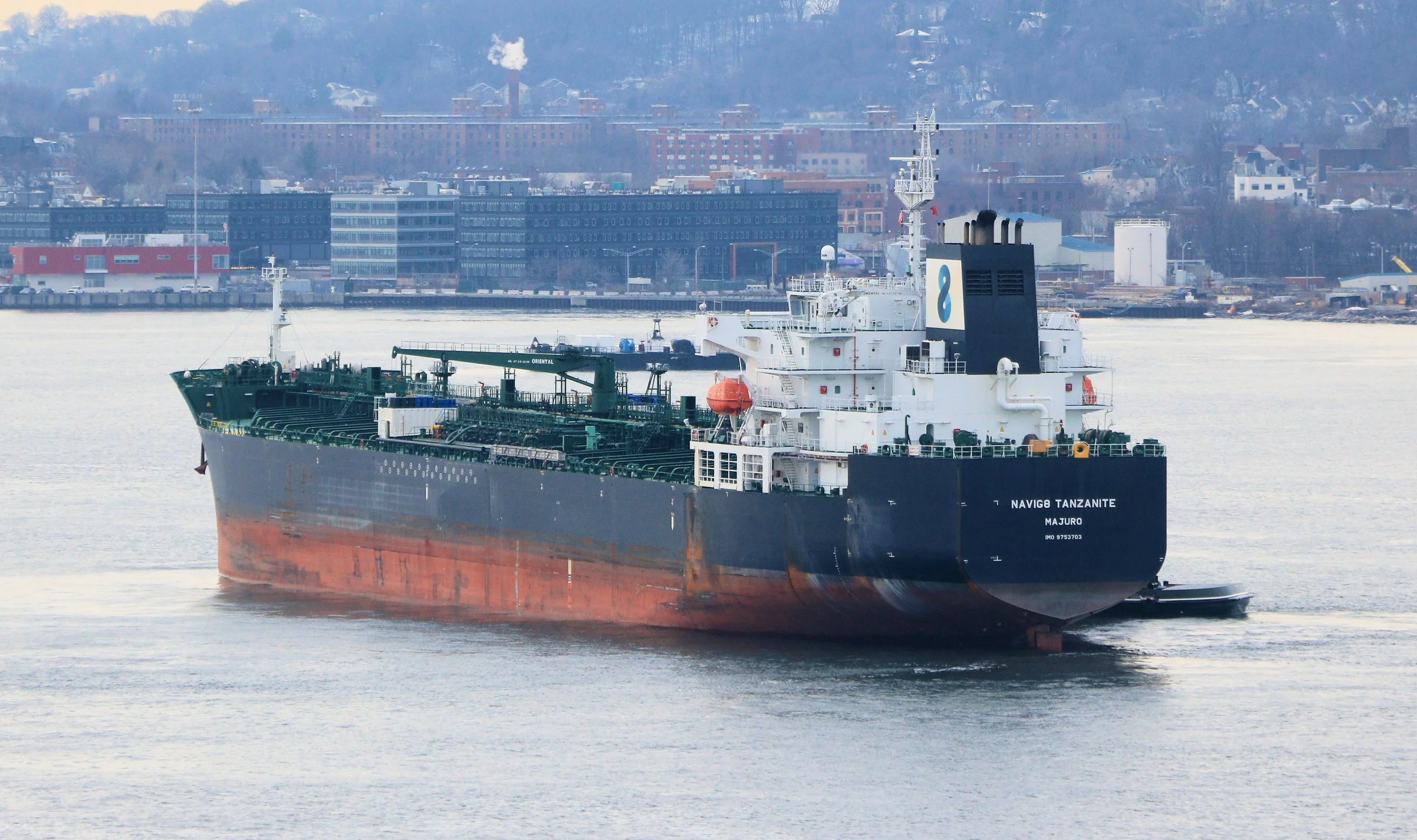
Photo by Paul Harrison, via Wikimedia Commons (CC BY-SA 4.0).
Since February 28th, 2026, the United States has been engaged in a drawn-out military conflict with the Islamic Republic of Iran. A war that, according to Politics Today polls, is the least popular since war polling first began in the 1930s, with only one in three Americans approving of the war. Though the Iranian regime has been significantly impaired, this conflict has left them with immense power. Iran has effectively been operating the world's most expensive toll booth in the Strait of Hormuz, as of March 24th, charging two million dollars for passage and attacking ships if they attempt to bypass the fee. During peacetime, roughly 20 million barrels of crude oil pass through the Strait of Hormuz every day, accounting for 20 to 25 percent of total global consumption.
At home, in the richest nation on Earth, Americans notice the increase in prices for gasoline and some other goods. Nevertheless, to some consumers, these price increases are nothing but a minor inconvenience. The inconvenience is quite the opposite of minor in other, heavily oil-import-dependent nations such as Pakistan, Bangladesh, and Vietnam. To these nations, the fuel crisis is real. An estimated 90 percent of Pakistan's oil imports travel through the Strait of Hormuz. With the strait under siege, Pakistan is enduring double-digit inflation and coughing up nearly triple its standard aggregate energy import bill of 1.7 billion dollars. It is apparent that war, specifically the war in Iran, is not only costly to the nations involved but to the entire world. Consumers face increased prices; trade feels sluggish, and the global economy slows. It appears no one benefits from the war in Iran.
What most Americans don't notice is the billions of dollars in profits being earned by trading desks, who don't need to guess whether oil prices will rise or fall but only need oil prices to fluctuate unpredictably. The real commodity is not the oil itself, but what happens to its price as the war drags on. These trading desks are making a large chunk of their record-high profits from options trading. Buying an option gives you the right to either buy or sell an asset at a set price by a set date. The two types of options, puts and calls, help trading desks construct positions with no directional bias, betting only on the size of a price move. For example, buying a call and a put at the same strike price and expiration, trading desks can create a long straddle position. If the price moves far enough in either direction, the cost of both contracts is covered, and profits are made. A long straddle position is just one of the many trading strategies these desks use to rake in massive profits when markets are unpredictable.
BP's underlying replacement cost profit reached $3.2 billion in Q1 2026, more than double the $1.38 billion it earned a year earlier and well ahead of the $2.63 billion analysts forecast. The company attributed the gain to "exceptional" oil trading contributions due to Brent crude rising 43% in March. BP's output remained steady at 2.3 million barrels per day. This confirms that the massive gains came not from increased production, but from increased trading. JPMorgan was no different. The world's largest bank, in terms of market capitalization, posted a record $11.6 billion in total markets trading revenue for the quarter, up 20% YoY. Shell also made extraordinary profits during Q1 2026. The oil giant posted adjusted earnings of $6.9 billion, up 24% from $5.6 billion a year earlier. Its chemicals and products division, home to its oil trading desk, alone posted adjusted earnings of $1.925 billion. CEO Wael Sawan credited the results to "relentless focus on operational performance in a quarter marked by unprecedented disruption in global energy markets." Shell later confirmed that trading results were "significantly higher" compared with the prior quarter, even as Brent crude neared $120 a barrel in the weeks following the war's outbreak.
It is worth noting that these exceptional earnings cannot be solely attributed to the war in Iran or options trading. Generally, U.S. markets have performed well over the last six months, and trading gains don't paint the entire picture. Nevertheless, it is important to understand the underlying technical aspects of how large institutions continue to report exceptional performances during this time of war. As of August 3rd, Iran denies Trump’s public claims that a deal to reopen the Strait of Hormuz is in the works and has only mentioned meetings with officials from Oman about the future of the strait. While the wildly unpopular war continues to drag on with neither side clearly on top, trading desks, the real winners, will continue to capitalize on the uncertainty the war brings.