Quantitative Easing and the Federal Open Market Committee
By: Joseph Godshall
Mar. 1, 2026
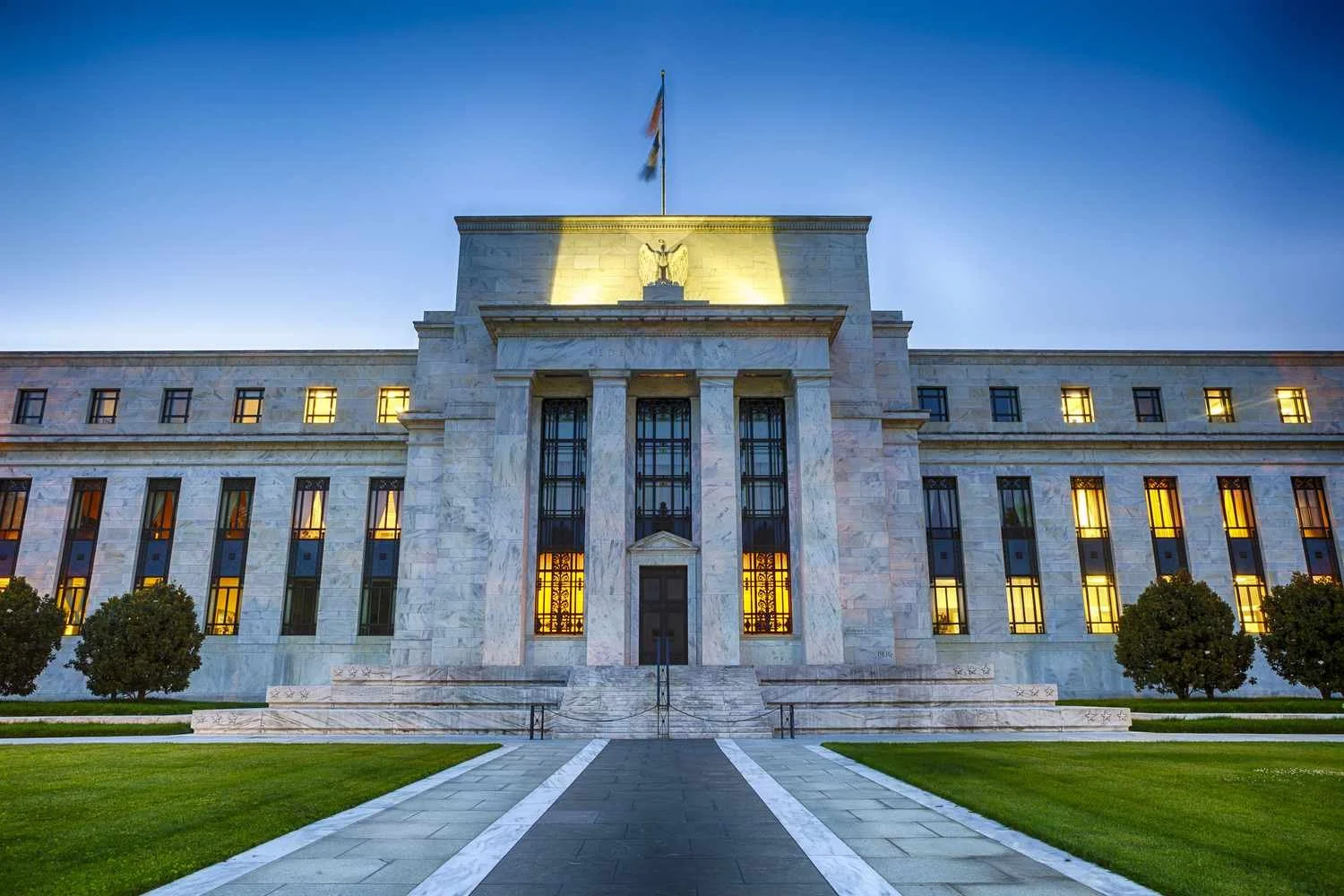
Over the past decade, the United States has seen an economic boom and sustained growth, but a turn towards asset inequality and instability, especially during times of political turmoil. To counter this, the government and financial experts craft monetary policy to combat the fickle nature of the economy. One of these tools, Quantitative Easing (QE) is more radical, but can be seen as a “last ditch” effort to right the U.S. domestic economy before imminent collapse. But what is QE and how is the current administration leveraging it to create an advantageous market? Quantitative easing is a financial steroid, a tool used to stimulate the economy in times where businesses are borrowing less and consumers stop spending. The congressional budget office defines Quantitative easing as “the Federal Reserve’s purchases of large quantities of Treasury securities and mortgage-backed securities issued by government-sponsored enterprises and federal agencies to achieve its monetary policy objectives”. Put simply, QE refers to the Fed's creation of new digital money and uses it to buy government bonds and financial assets from banks. This process leaves the government holding onto trillions of dollars in treasury bonds, and puts cash directly into the hands of banks. This drives interest rates down while stimulating the markets and making the entire U.S. cash system more liquid. QE effectively makes money easier to access during times of large financial and economic stress.
Quantitative easing is used during times that are deemed at risk for economic collapse in the United States. This power rests in the hands of the Federal Open Market Committee (FOMC), a 12 member board composed of the seven members of the Federal Reserve System’s Board of Governors, and 5 presidents of U.S. Reserve banks. Of the 5 members, only the President of the Federal Reserve Bank of New York serves in a permanent position, the remaining four, representing Boston, Philadelphia, Richmon, Cleveland, Chicago, Atlanta, St. Louis, Dallas, Minneapolis, Kansas City, and San Francisco, serve one year rotating terms.
FOMC meets 8 regularly scheduled times throughout the calendar year in an attempt to assess the current financial climate in the United States and create policy that would influence the economy and markets to better serve all United States citizens and institutions in regards to its long run goals of financial stability and economic growth. FOMC uses quantitative easing as one of the tools to redirect a collapsing economy towards more favorable conditions.
When FOMC decides that the economic conditions within the United States are unfavorable, they will make a balanced recommendation to the Fed to enact monetary policy, like QE programs, that can decrease the financial barriers facing the domestic economy. These QE policies affect institutions and markets alike, which have profound impacts on one of the U.S.’s most lucrative financial demographics: Students. When the Federal Reserve buys bonds, this decreases interest rates across the board, making mortgage and borrowing rates decrease and stimulating the U.S. housing and job markets. First time home buyers find it easier to borrow money and purchase homes, making housing demand increase but, expanded demand and increased cash circulation leads to inflation and asset inequality.
