Economic Impact of the Olympics
By: Sophia Paul
Mar. 4, 2026
The Olympic Pitch
Every four years, the Olympic Games transform a host city into the center of the global stage. Along with the spectacle comes a familiar economic promise: GDP growth, job creation, surging tourism, and transformative infrastructure investment.
Cities do not bid for the Olympics lightly. The pitch is deliberate and data driven. Hosting is framed as a catalytic investment, one that attracts foreign direct investment, strengthens trade relationships, accelerates development timelines, and rebrands a city as a global hub.
The logic is compelling. The Olympics, in theory, function as an economic multiplier. Increased demand drives spending. Infrastructure spending stimulates employment. Global exposure fuels long term growth. For political leaders, the Games offer both prestige and the prospect of measurable economic return. On paper, it reads like a high-yield public investment.
The Cost Problem
The financial reality, however, often differs from the bid proposal. Historically, the Olympics have demonstrated a consistent pattern of cost overruns. Research shows that modern Games exceed their initial budgets by an average of more than 150%. Fixed deadlines, security requirements, last minute infrastructure upgrades, and soft budget constraints make overruns less an exception and more a structural feature.
The 2016 Rio Summer Olympics illustrate this clearly. Initially budgeted at approximately $8.8 billion, the Games ultimately cost about $13.2 billion, a $4.4 billion overrun. The financial strain contributed to a broader fiscal crisis in Rio de Janeiro, pushing the city into a declared state of financial emergency. Years later, debt obligations tied to Olympic spending remained unresolved.
Beyond that, promised long term economic gains failed to materialize at scale. Several venues fell into disuse. Public services faced pressure. Thousands of residents were displaced in the lead up to construction projects. In financial terms, the expected internal rate of return did not justify the capital outlay.
Public Risk, Private Reward
Host cities typically fund 70-90% of total costs using public money. Taxpayers underwrite stadium construction, security expansion, transportation upgrades, and long-term maintenance. They also absorb budget overruns, which is often measured in billions.
Meanwhile, global stakeholders benefit from comparatively limited downside risk. The International Olympic Committee generates significant revenue through broadcasting rights, sponsorship agreements, and ticket sales. Major sponsors gain global exposure. Construction firms and contractors profit from government-backed projects.
For host cities, the Olympic model resembles a leveraged public investment with limited revenue guarantees and substantial execution risk.
The Barcelona Exception
The 1992 Summer Olympics remain widely regarded as a rare economic success story. In the years leading up to the Games, Barcelona invested heavily in infrastructure. It revitalized its waterfront, expanded transportation networks, developed public spaces, and modernized urban design. Crucially, these investments were embedded within a broader strategic redevelopment plan. The Olympics accelerated a vision that already existed.
More than 90% of Olympic venues remain in use today. By the early 2000s, the city had reportedly generated positive long term returns, with billions in indirect economic impact. Unemployment fell, tourism surged, and Barcelona’s global brand was permanently elevated. Barcelona used the Olympics to execute a long-term economic strategy. That model has proven difficult to replicate.
Milan 2026
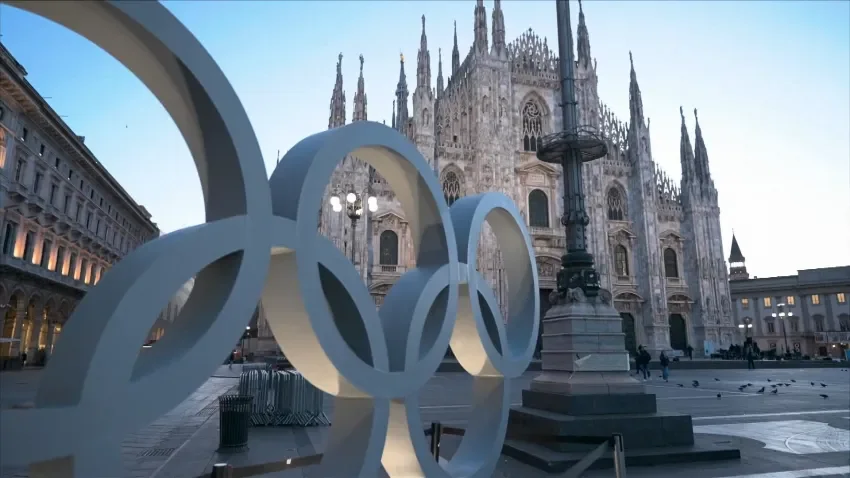
Unlike prior hosts that undertook expensive construction projects, Milan has emphasized reuse of existing venues across northern Italy. By limiting permanent construction and distributing events between Milan, Cortina d’Ampezzo, and surrounding regions, organizers aim to reduce capital expenditure and mitigate “white elephant” risk.
Projected economic impact estimates approach $6 billion, driven by tourism, employment, and foreign investment. Organizers also highlight post Games conversion plans, including long term housing and infrastructure integration. In financial terms, Milan’s approach resembles a more portfolio-style strategy rather than a single prestige buildout. The emphasis is on capital efficiency and legacy utilization.Whether this model produces sustainable returns remains to be seen. For now, history suggests caution.
