U.S. Antitrust and Mergers & Acquisitions
Why Retail, Payments, Telecom, and Now Streaming Are All Under Fire
By: Brandon Chi
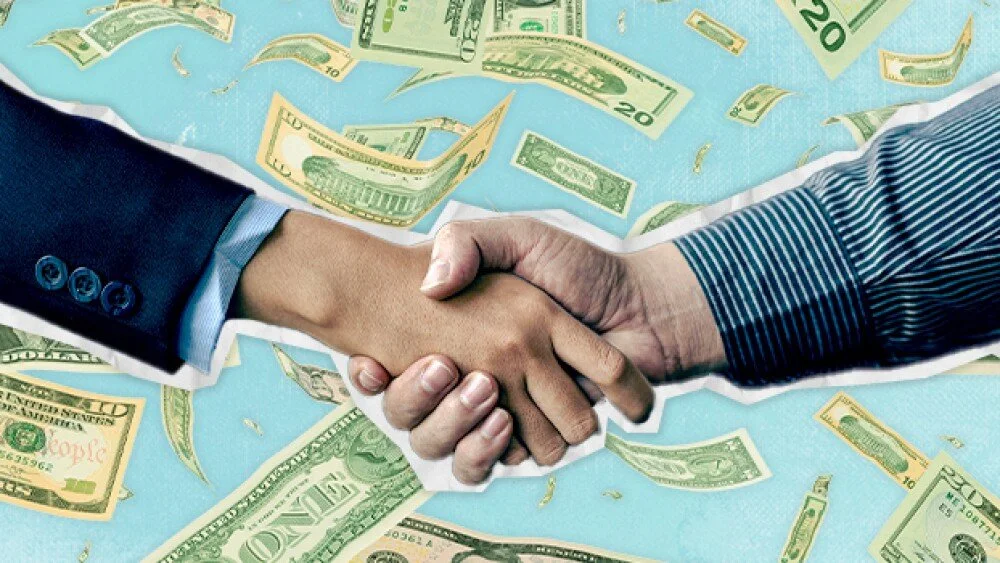
For decades, U.S. antitrust enforcement drifted into the background of financial markets. Mergers were approved with minimal resistance, and industry concentration quietly accelerated; “efficiency” became the universal justification for big corporate scale. That era is over, and the question we see is whether companies can break into markets that cannot be touched, or without an acquisition.
From grocery aisles to payment rails, to wireless networks, and now, digital media. The modern antitrust revival is no longer theoretical; rather, actively reshaping capital allocation, merger strategy, and structure across the economy. These industries now sit at the center of reckoning, and paints a bigger picture of competition.
Retail: The Albertsons-Kroger Case for Consumer Pricing Power
The proposed merger between Kroger and Albertsons now sits as one of the most closely watched antitrust cases in modern retail history. At stake is not just market share, but who controls food pricing for millions of Americans at hand. In October 2022, American grocery chain Kroger agreed to purchase rival Albertsons for $24.6 billion. Both companies, comprising of the largest supermarket chains in the United States, serve as the country’s mid-tier grocery market. Kroger planned to compete with grocery chains Amazon Fresh, Whole Foods, and discount chains Target and Walmart. This merger would have created one of the largest chains in the United States, combining nearly 5,000 stores.
However, the Federal Trade Commission (FTC) filed a lawsuit to block the merger, as well as the Department of Justice focusing its challenges on three primary risks:
- Price competition
- Supplier dependency
- Labor market compression
Food is not a discretionary industry; it is a vital part of everyone’s lives. When fewer companies control groceries, inflation becomes structurally persistent rather than cyclical. For consumers, it directly impacts real purchasing power.
Payments: Why Financial Duopoly Becomes Systemic Risk
If retail shows how antitrust affects prices, payments show how it affects infrastructure.
Visa and Mastercard together control the overwhelming majority of global card-based transaction volume. Visa dominates, holding a share of around 50-52% of purchase volume, with Mastercard trailing with 25%, controlling share of around 75% of the U.S. credit and debit market.
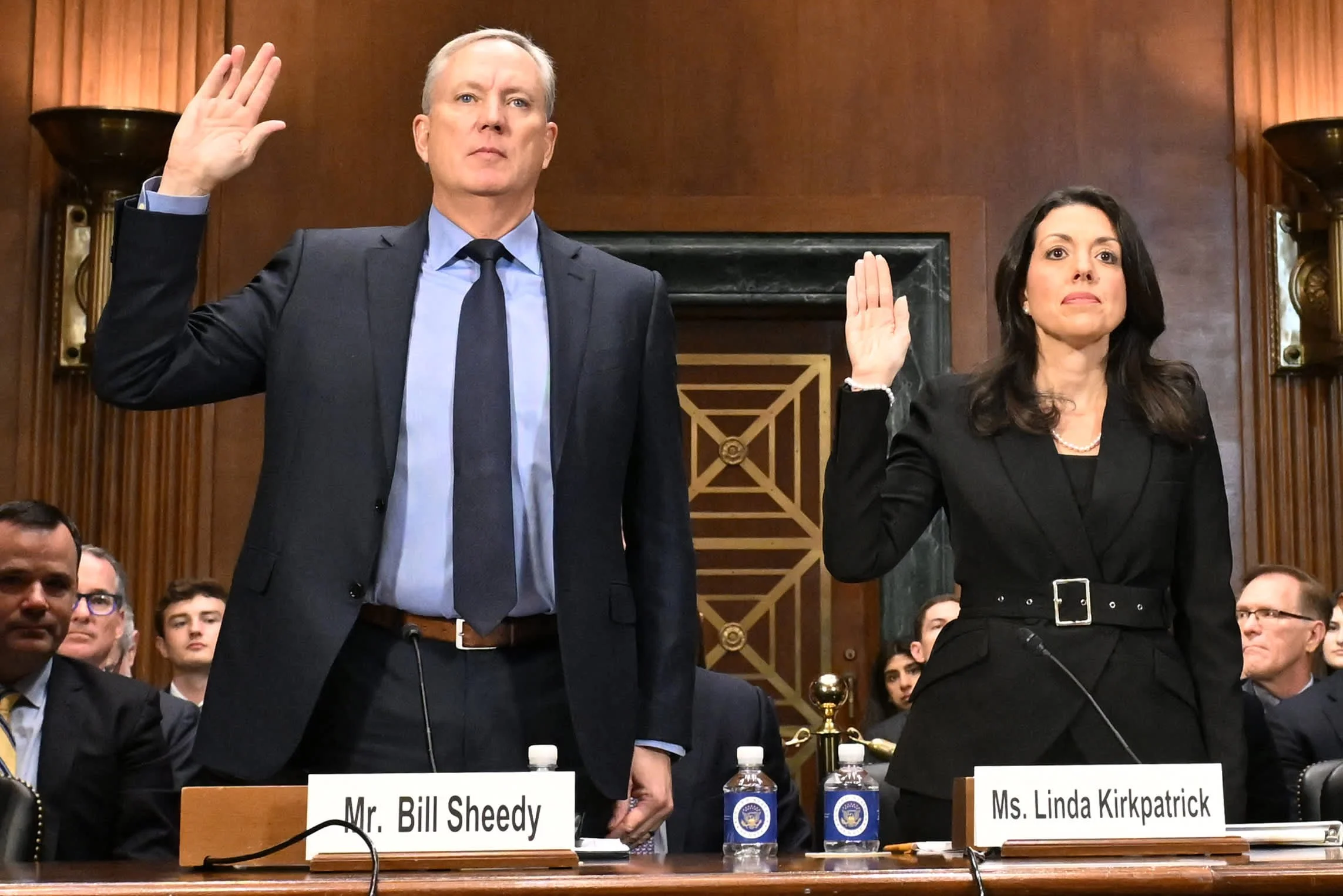
Visa and Mastercard Executives at a Senate Judiciary Committee
“That’s incredible… that is absolutely unbelievable” Senator Josh Hawley laughs as Bill Sheedy that Visa is earning more than a 50% profit margin, slightly higher than Mastercard.
Every transaction that runs on these rails generates network and interchange fees that merchants cannot realistically avoid. Regulatory scrutiny on increasing centers on: Anti-competitive network pricing, and rules suppressing alternative payment methods. This is important to note, as bigger businesses get a lower rate, while mom-and-pop shops get a higher rate due to “volume discounts” as Bill Sheedy states.
These firms are not simply consumer brands – they are private toll collectors on modern commerce, and in antitrust theory, infrastructure monopolies pose a greater long-term risk than consumer-facing ones because they extract economic rent from customers.
Telecommunications: The Cost of Wireless Communications
Nowhere are the consequences of consolidation is more visible than in U.S. wireless communications. In 2020, the acquisition of Sprint by T-Mobile reduced the national carrier field from four to three: T-Mobile, AT&T, and Verizon. If you ask anyone in your classes, or walking down the street regarding their wireless network plans, they will answer these three companies.
Regulators approved this deal on the promise that scale would drive innovation and price competition. Instead, the industry has entered a phase marked by:
- Rising average revenue per user
- Tighter device financing
- Greater monetization of consumer data
Wireless networks, like payments, now function as economic utilities rather than consumer luxuries. Once competition disappears at the infrastructure level, switching costs rise and innovation slows. There is a reason why prices have been increasing, because there is no one to combat them. The telecommunications sector is now widely viewed as a cautionary tale of approval that regulators will take into account, and hopefully, not repeat.
Streaming & Media: Netflix Enters the Antitrust Conversation
Netflix announced on December 5, 2025 that it will acquire Warner Bros. film & television studios, streaming services (HBO, HBO Max), and much of WBD content and business. In a mega-deal valued at a enterprise value of $82.7 billion ($72 billion in equity value), advised by Moelis & Company and Evercore, and debt financing from Wells Fargo.
As of today, there is no confirmed acquisition of Warner Bros. by Netflix, as no SEC announcement of regulatory filing has been submitted.
If a deal ever emerged placing Netflix in control of Warner Bros, it would instantly become one of the most consequential antitrust cases in modern media history, with the idea itself exposing how fragile competition has become in the entertainment economy. For viewers, the short-term effects could look positive, with deeper libraries, fewer subscription services, and content integration within Netflix. Long-term, however, diminished competition always means:
- Higher prices
- Algorithmic control over media discovery
- Global licensing dominance
Where traditional monopolies controlled factories or railroads, Netflix will control attention, distribution, and demand at a global scale. Whether or not this deal materializes, the fact that is feels plausible tells us everything about where the entertainment industry now stands. Streaming has evolved from a competitive innovation phase into a late-stage consolidation cycle, with big names acquiring any media streaming service. The next decade will not be defined by new platforms, but rather, regulatory battles over who is allowed to own media at a huge scale.
