The New Geography of Growth
Regions with aligned infrastructure and investment readiness are becoming the next anchors of U.S. economic expansion.
By: Tangia ZhengDec. 1, 2025
Commercial real estate is entering a new phase where old assumptions about geography may no longer hold. The geography of 2026 is being shaped by constraints and capacities that are only now becoming visible. Many of the regions poised for growth are not emerging because of past performance but because of the conditions that will allow them to absorb the next wave of economic activity. The map is shifting upward, toward a future defined by power availability, mobility readiness, capital formation, and the location of new industrial ecosystems.
The first variable is power. Forward utility filings show projected regional load growth ranging from 9%-17% percent over the next three years in markets preparing for new compute facilities, advanced manufacturing, and electrification. Several utilities in the interior West and South have confirmed multi‑year capital plans that will expand substation capacity by 200 to 450 megawatts through 2027. Interconnection timelines remain long in some regions, but metros with funded transmission upgrades scheduled for 2026 have begun to separate from those without clear expansion paths. Their advantage comes from alignment between utility planning cycles and demand from energy‑intensive industries.
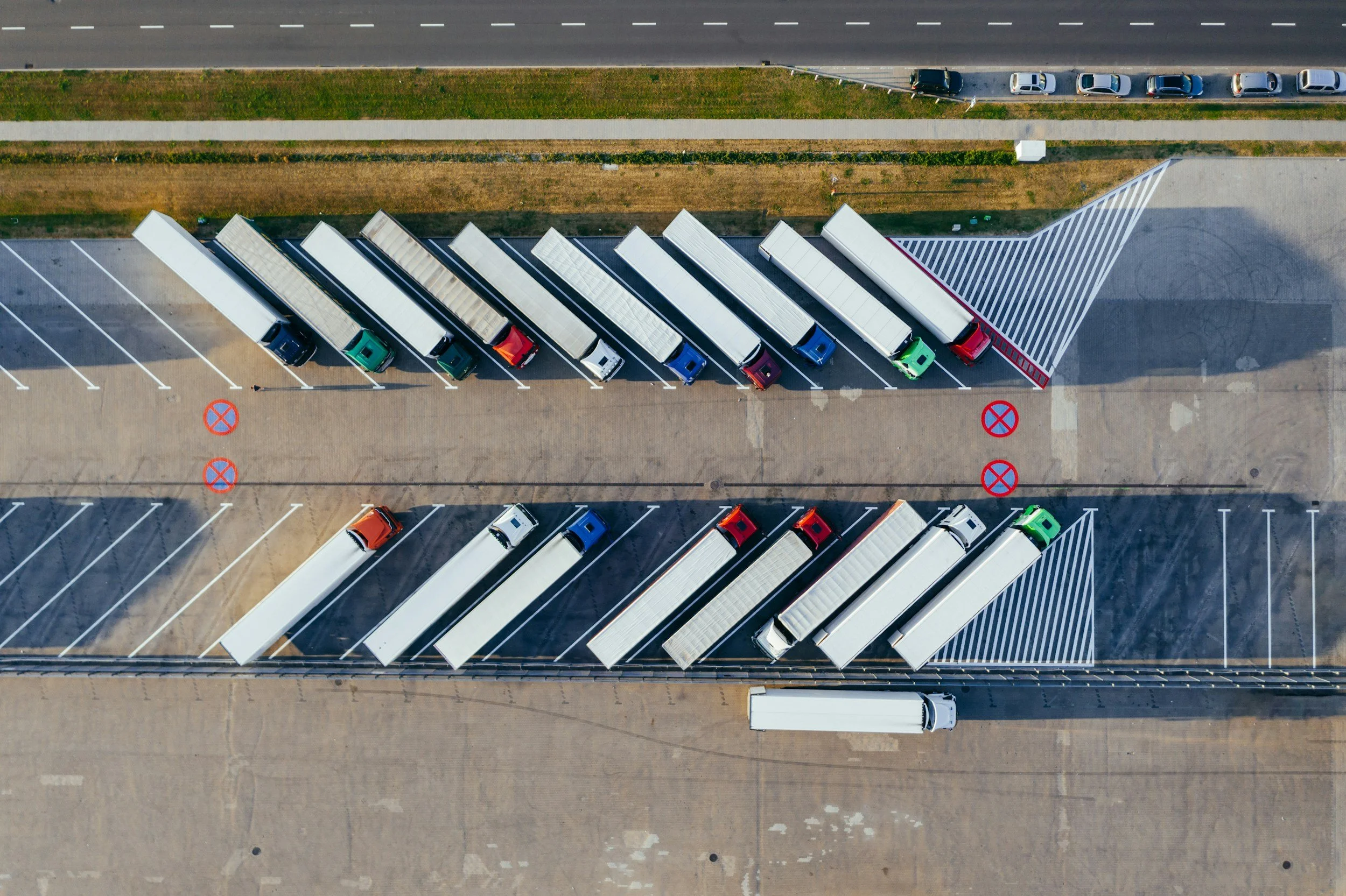
Mobility networks form the next dimension.
Freight agencies project 3% - 6% growth in national volumes for 2026, with higher throughput expected along inland corridors in the Midwest, Texas, and the Carolinas. Highway expansions slated to deliver between late 2025 and mid‑2027 will increase capacity on key freight routes by 10%-20% percent in certain segments. Intermodal and rail‑capacity upgrades in several central states will open new options for logistics developers. Air‑cargo forecasts show rising demand in Western and Mountain West markets, driven by high‑value goods tied to manufacturing supply chains. These transportation improvements shape where large‑scale industrial growth can occur.
Capital conditions add a more selective filter. The 2026 maturity calendar includes more than 400 billion dollars of commercial property debt scheduled to reset. Projections from multiple lenders suggest that refinancing spreads could widen further for assets in slow‑growth or high‑risk markets, while remaining more stable in metros with steady income performance. Forward‑looking lending expectations indicate that private credit and institutional debt funds may increase allocations to regions with low insurance volatility, diversified job bases, and consistent absorption. Borrowers in these areas may have clearer paths to refinancing and capital formation.
Advanced manufacturing corridors supply the final piece of the map. Announced facilities scheduled to break ground in 2026 include semiconductor plants with capital budgets exceeding 20 billion dollars, battery‑cell factories with capacities of 20 to 40 gigawatt‑hours, and precision‑manufacturing expansions tied to aerospace and defense supply chains. These projects form multi‑state corridors instead of isolated nodes. Supplier ecosystems around these plants are projected to generate demand for millions of square feet of logistics, assembly, and component‑production space. Workforce data also shows rising training‑pipeline enrollment in states anticipating new industrial clusters.
When these forces are viewed together, the spatial map comes into focus. Several interior and Sunbelt metros combine grid potential, freight expansion, capital stability, and industrial momentum. Their strength comes not from past patterns but from forward indicators that show they can support new activity. These markets include metros with confirmed utility upgrades, funded transportation improvements, and reliable capital inflows. Their trajectory will depend on capacity, not history.
These forward conditions differ entirely from the structural forces described previously, but they make the map sharper. Where 2025 highlighted broad strain, 2026 highlights where the system can expand. Power availability determines which industries can scale. Mobility determines the magnitude of potential growth. Capital determines which projects can move forward. Industrial ecosystems determine where demand will cluster. The regions that align with these dynamics will shape the next chapter of commercial real estate.
The geography of 2026 is not about recovery. It is about readiness. Markets with aligned capacity will lead. Markets without it will wait. The map draws itself from the variables that govern the next wave of growth.
