Renewables, Reserves, and the Megawatt Moat
By: Sophie Nannemann
Dec. 5, 2025
How Clean Power Is Redrawing the AI Data-Center Map
The AI data-center boom is accelerating into an energy system not designed for instantaneous industrial load. As outlined in earlier pieces, capital-driven investor FOMO has forced computing power infrastructure firms to scale ahead of grid readiness, creating unprecedented demand for electricity, cooling, and transmission.
This rush of capital has also inflated competitive pressure within the AI inference segment, where companies like Fireworks AI, Cohere, Anthropic, and cloud incumbents are spending aggressively on chips and technical throughput without proven margins or definitive profitability pathways.
But constraints breed strategy. And strategy is beginning to show up in an all-new moat: secured clean megawatts.
Core Energy Challenge: Investors Can Scale Valuations Faster Than Grids Can Scale Megawatts
The central dilemma is timing mismatch. AI data centers require power densities four to five times higher than traditional cloud facilities. Meanwhile:
· Grid reserve margins are shrinking, meaning less spare generation to absorb sudden AI load.
· New baseload capacity, whether natural gas or nuclear, faces multi-year timelines for construction and permitting.
· Transmission upgrades lag generation, often creating power that exists on paper but can’t be delivered to a site in practice.
· Cooling loads increase secondary energy draw, compounding total facility consumption.
For operators, this means a new cost center is eclipsing land or silicon procurement: power procurement strategy.
Geography Is Valued in MW, Not Square Footage
Regional grid stress is uneven, and capital is repricing accordingly. Energy-rich regions, cool climates or dense renewable hubs, are attracting disproportionate investment interest because they offer what hyperscalers and startups increasingly need: available and affordable electricity at scale.
The winners in this race will not be defined by chip count alone, but by co-location advantages:
· Proximity to solar and wind hubs
· Access to hydroelectric baseload
· Cooler ambient air that reduces total cooling electricity demand
· Regulatory environments that fast-track renewable deployments or behind-the-meter builds
The market is effectively saying: data-center site >400 MW secured will out-value data-center site >40 GPUs secured.
The Risk of Inaction: Rising Opex, ESG Pressure, and a Closed IPO Window for Operators Who Can’t Control Energy
If capacity constraints persist, the risks compound quickly. Power costs swing upward, challenging long-term operating margins (renewables offer fixed-price hedges via long-term agreements). ESG and sustainability pressures mount as investors increasingly evaluate carbon exposure of AI infrastructure. Permitting risk hurts build timelines, creating cancelled projects or investor skepticism. And volatile public-market windows tighten for AI firms that can’t show predictable cost trajectories or independent power resilience
Companies approaching IPO readiness by 2026 will increasingly be asked to answer not only “can you scale AI?” but “can you power the scale with green MW, not burning balance sheets?”
Renewables as the Solution: From Power Bottleneck to Power Alpha
Renewable energy can solve key bottlenecks in several ways legacy grids currently cannot:
1. On-Site Solar + Wind Generation
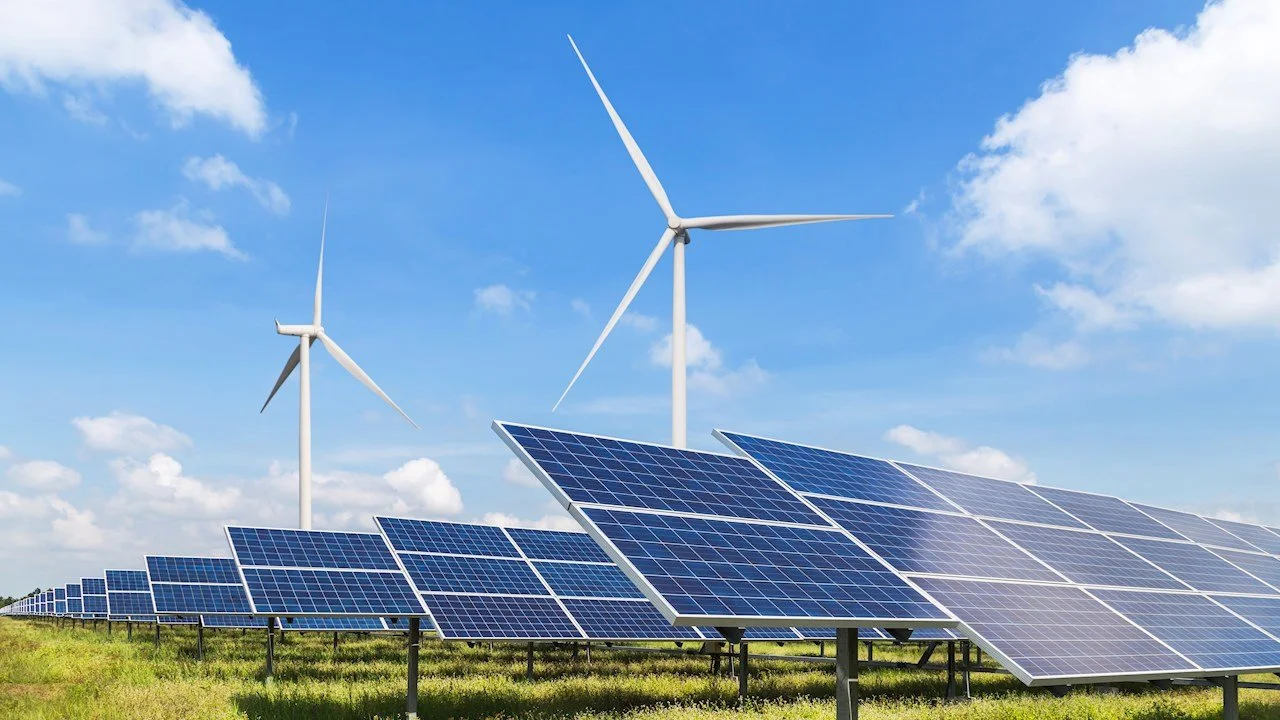
Data-center operators are installing on-site solar arrays and signing power purchase agreements with wind developers, effectively creating direct power channels that bypass grid congestion. This reduces transmission lead-time dependency and locks in pricing.
2. Grid-Scale Storage to Solve Intermittency
Battery storage deployed at scale allows AI data centers to:
· Store renewable generation when supply peaks
· Deploy power when AI workloads spike at night or low-generation hours
· Stabilize load drawn from the grid during weak reserve periods
Storage turns intermittent renewables into dispatchable capacity, smoothing demand shocks.
3. Hybrid Baseload + Renewables for Reliability
Co-located renewable builds supplemented by nuclear or natural gas backup provide a path for facilities to scale without risking total grid draw during reserve shortages, maintaining uptime and market credibility.
4. Renewable Contracts to Hedge Operating Expenses
Long-term renewable contracts create price insulation, often at costs below volatile enterprise data-center PUE or grid supply costs. This allows investors to model predictable long-term opex rather than short-term MW bidding wars.
From Building More Plants to Demanding Less from Them
Renewables can’t solve every problem alone, but paired with efficiency they make the problem smaller:
· Higher battery deployment means less strain on reserve margins
· On-site renewables mean less transmission dependency
· Fixed renewable pricing means less margin pressure
· Cleaner power means less ESG and public-market skepticism
The next article will examine the other half of the energy equation: designing data centers to consume fewer megawatts, making every renewable megawatt work harder, and delivering both energy and cost alpha instead of grid-constraint beta.
