Disney, OpenAI, and the Next Phase of Generative AI
By: Kennedy Lewallen
Dec. 18, 2025
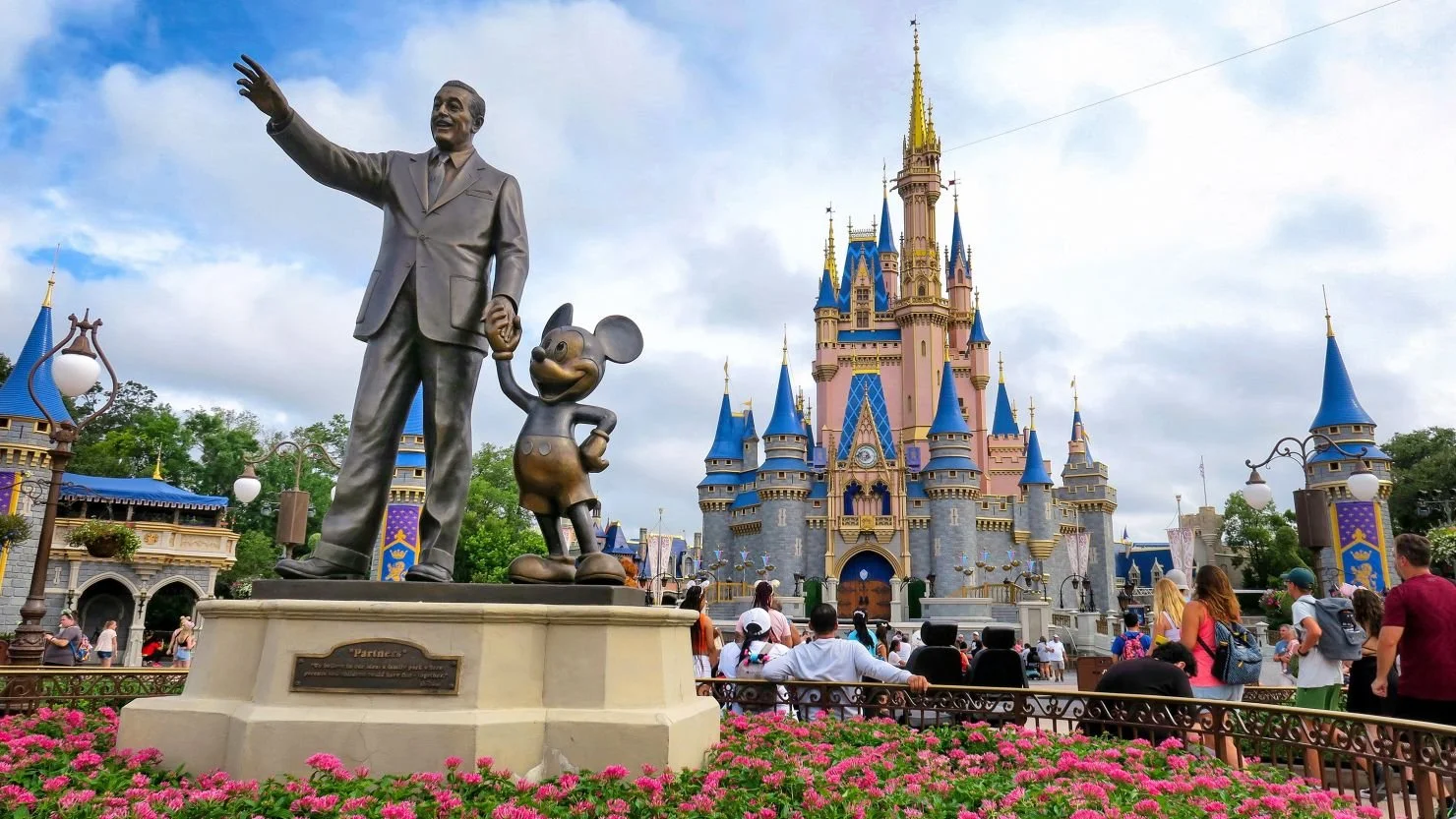
According to reporting and commentary across major business media and tech newsletters, Disney has entered a high-profile partnership with OpenAI that includes a reported $1 billion investment and a multi-year agreement allowing OpenAI’s Sora platform to generate short-form video content using over 200 Disney characters. While full deal terms have not been publicly disclosed, the strategy behind the partnership is clear, and it says a lot about where both the entertainment industry and generative AI are headed. At its core, this deal is less about animation and more about control, relevance, and risk management in an AI-driven future.
Disney's Why
Disney’s business has always been built on one thing: intellectual property. Its characters are some of the most valuable assets in media history, which is exactly why generative AI presents both an opportunity and a threat. Rather than sitting on the sidelines, or fighting endless legal battles, Disney appears to be choosing a more strategic route.
CEO Bob Iger has called this a critical moment for the industry and emphasized the importance of connecting with younger audiences. Gen Z and Gen Alpha consume content differently: short-form, algorithm-driven, and increasingly AI-assisted. By allowing OpenAI to use character images but not voices or signature sounds, Disney is monetizing its IP while still protecting the most sensitive parts of its brand. Just as important, this move signals that Disney wants to be seen as ahead of the curve, not just reacting to it. Disney isn’t just licensing content, it is hedging against AI disruption by gaining upside exposure to one of the most influential AI companies in the world.
Open AI’s Need for Disney
For OpenAI, the motivation is just as clear. As generative AI tools improve, copyright concerns are becoming unavoidable. Image and video models have already drawn scrutiny for producing outputs that closely resemble copyrighted characters, especially those owned by companies like Disney.
Disney has a long history of aggressively defending its IP, and tensions across the industry have grown as tools like Google’s Gemini generate images that look strikingly similar to protected characters. By partnering directly with Disney, OpenAI gets something extremely valuable...permission. Licensed access reduces legal risk, strengthens OpenAI’s credibility, and helps it get ahead of copyright issues that are already looming across the industry. It also sets OpenAI apart from competitors by reinforcing a strategy built on partnerships.
Looking Forward & What This Means
This deal points to a broader shift in the generative AI landscape. The early phase of AI was about scale, meaning bigger models, more data, and faster deployment. The next phase looks like it will be about rights, licensing, and relationships. Companies that own premium content now have leverage, and AI firms that want to operate at scale may need to pay for it. That raises barriers to entry, favors well-capitalized players, and puts pressure on companies that rely on unlicensed training data or imitation heavy outputs.
While this partnership positions Disney and OpenAI as leaders, it also highlights a growing divide in the AI space. The companies that can afford to license content and partner with rights holders will move forward with fewer legal obstacles. Those that cannot afford to do so may face lawsuits, regulations, or stalled innovation. Generative AI is no longer just a tech race, it’s a negotiation between creators and machines. Disney and OpenAI seem to understand that the future belongs not just to the best technology, but to the companies that know how to manage risk, protect value, and stay relevant in the process.
